


Notes from Marseille: The 101st Trans Europe Halles Conference
A reflection on social & cultural centres, planetary boundaries, and place- based work
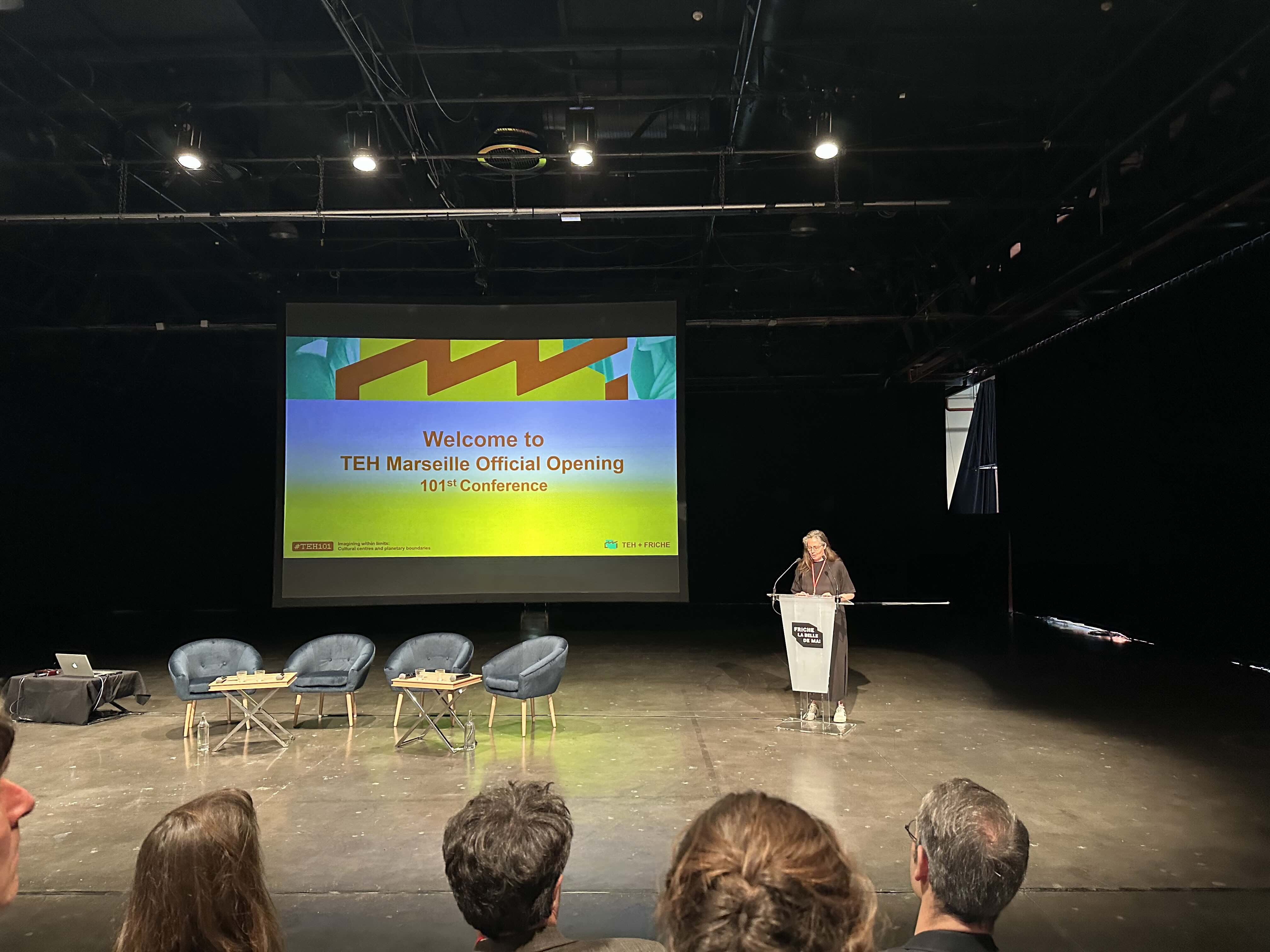
Independent social and cultural spaces in Türkiye are something I care deeply about, both personally and through the organisation I represent. What I wanted from the conference was to learn about tools, resources, and connections that could help socio-cultural places in Turkiye stay alive, grow stronger, and develop through new collaborations. On that front, I was very glad I attended. I met warm new cultural actors, and I think we opened the door to several possible long-term collaborations.
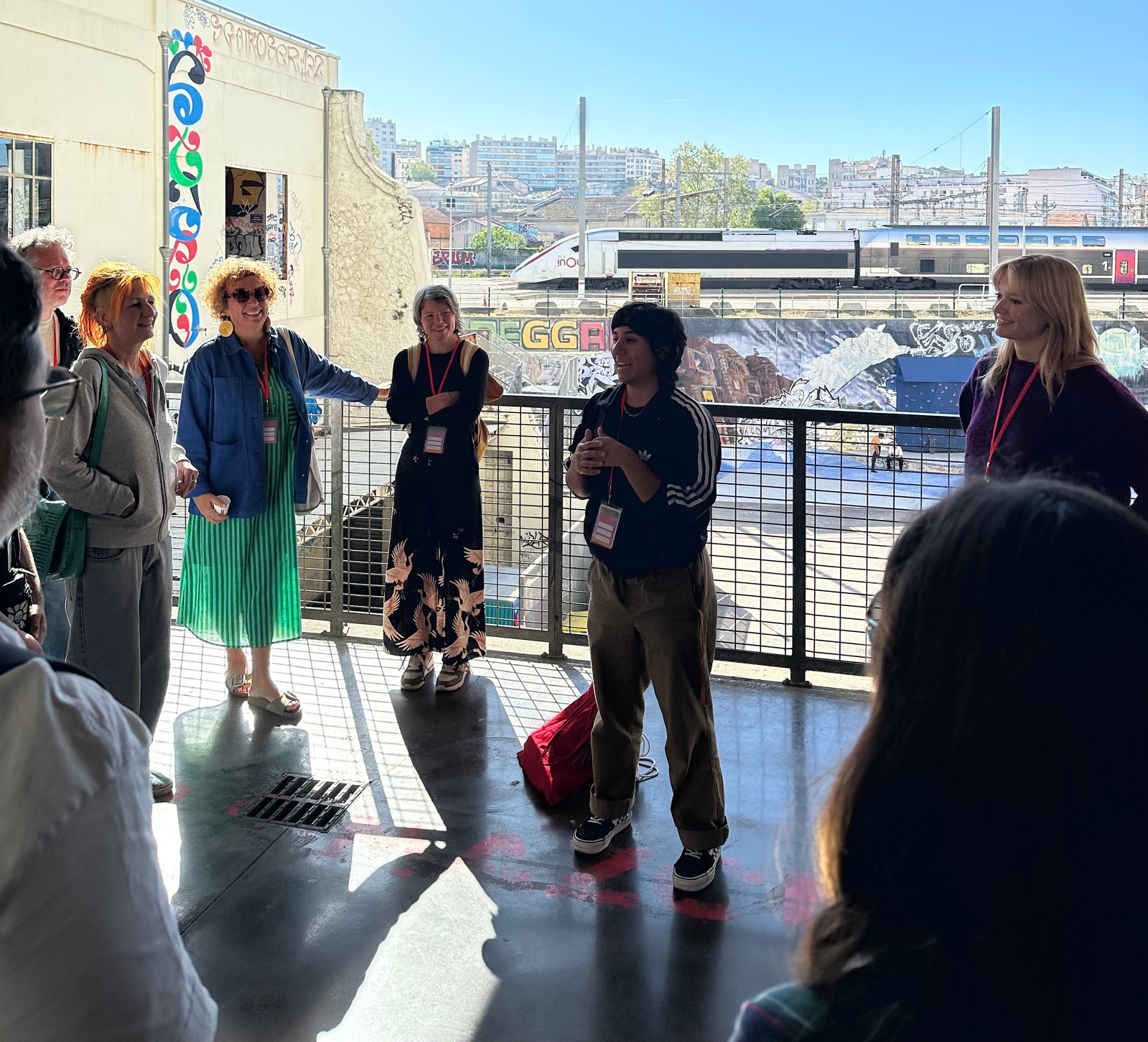
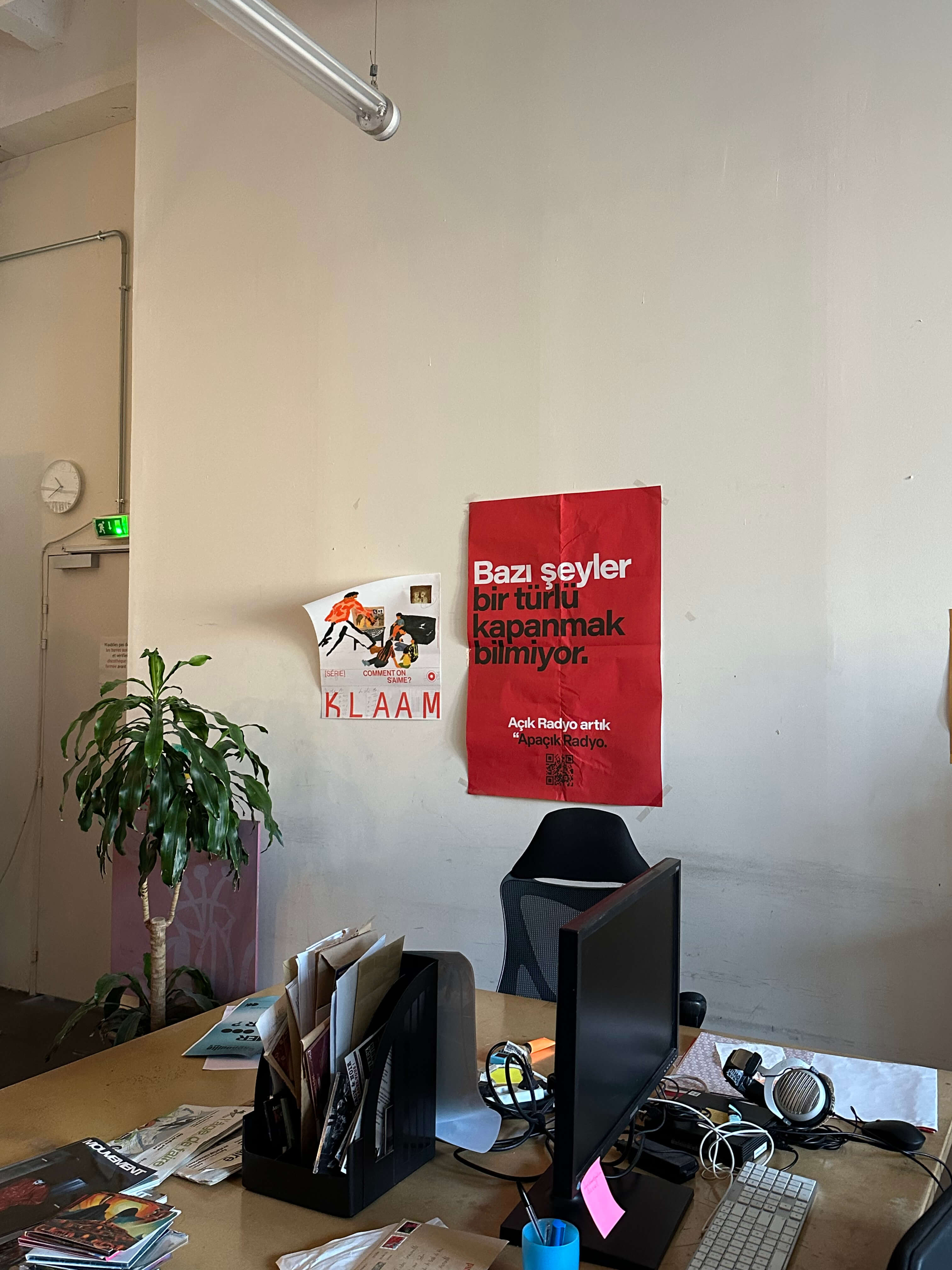
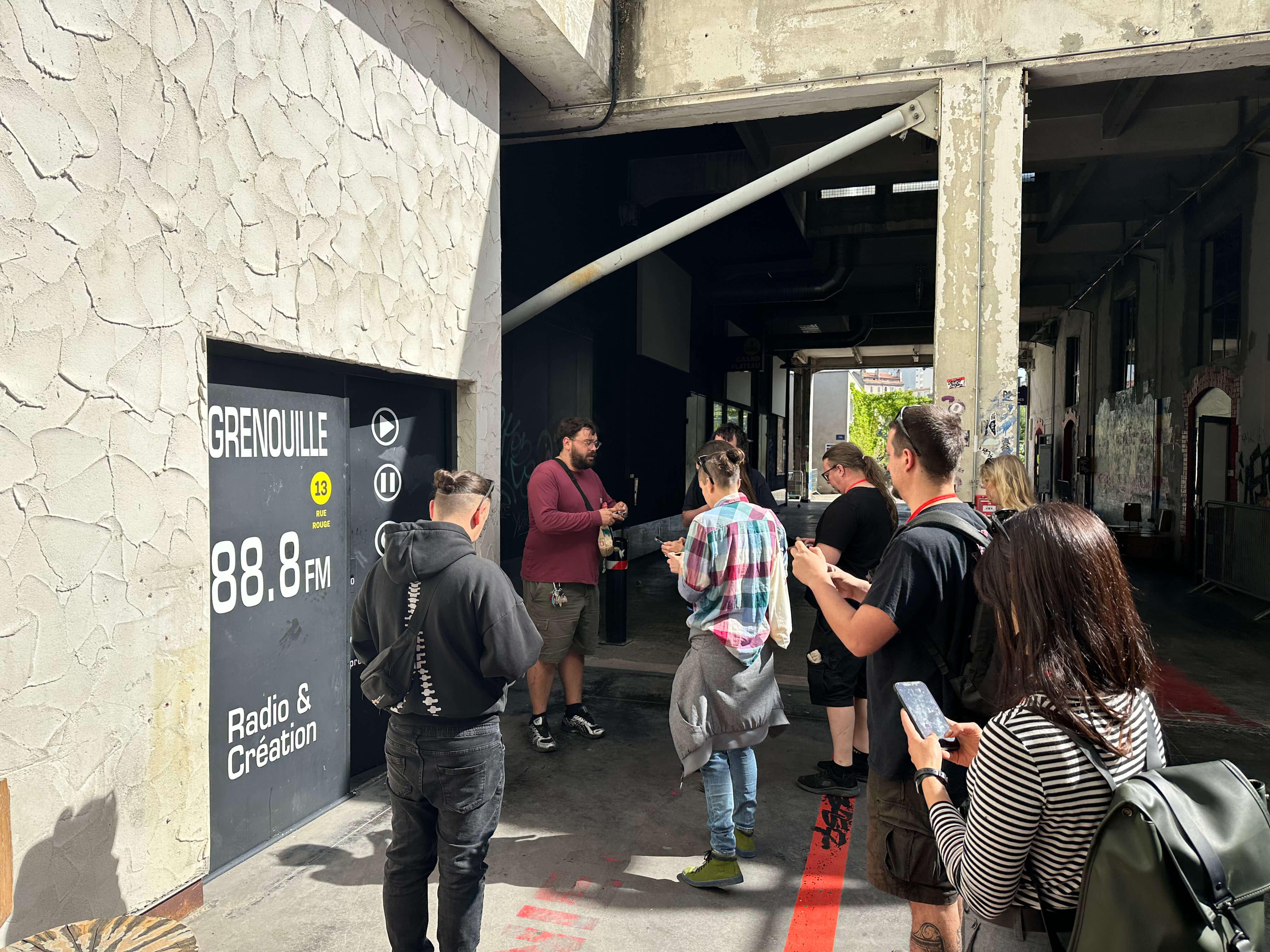
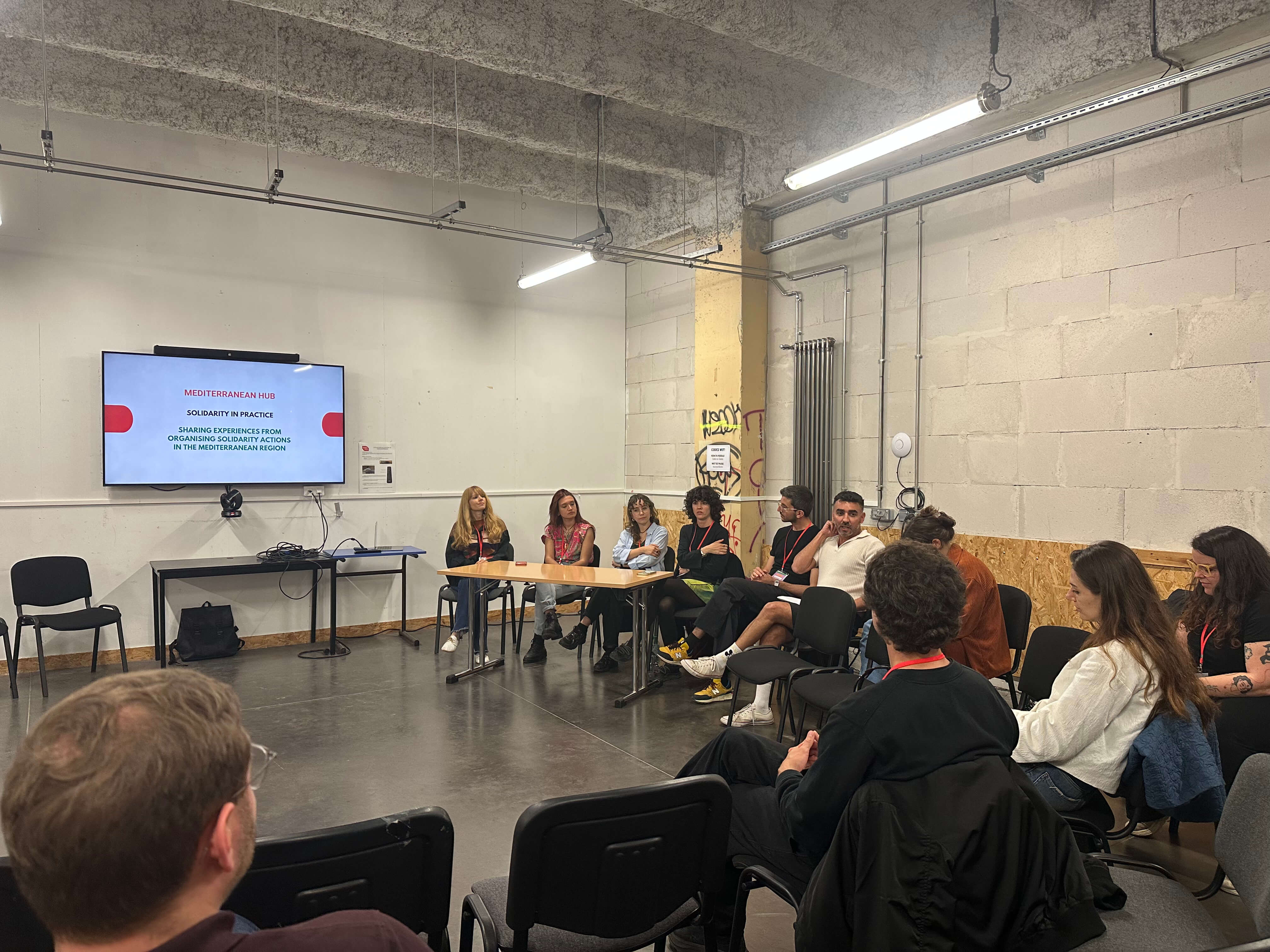
In many ways the programme was similar to other conferences I've attended, but the emphasis here was more on interaction than on information transfer. I had the chance to visit the Radio Grenouille office at La Friche — an independent radio station broadcasting from the venue at 88.8 FM — which is how I learned about their long-standing partnership with Açık Radyo, one of Türkiye's most important independent radio stations.
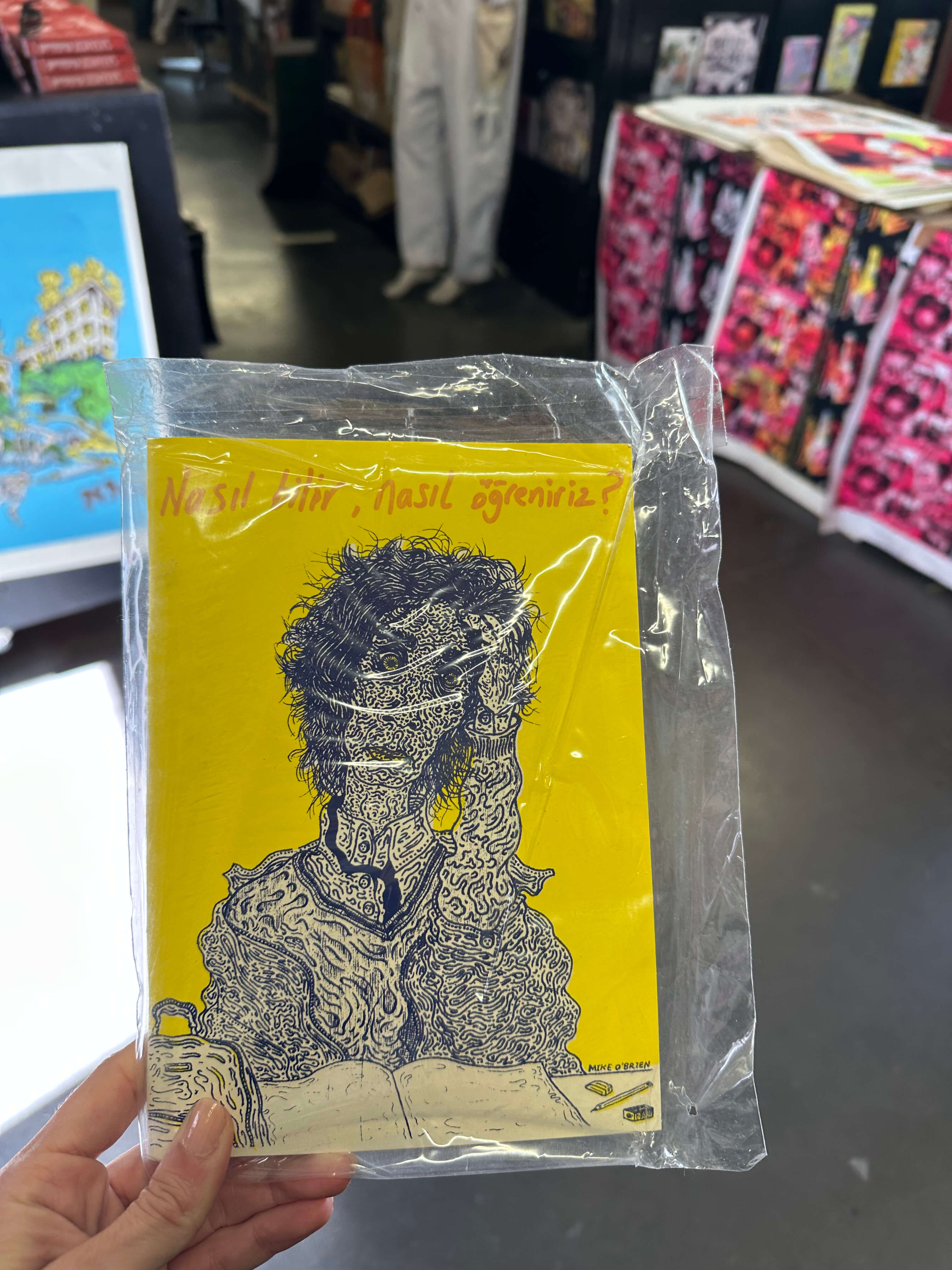
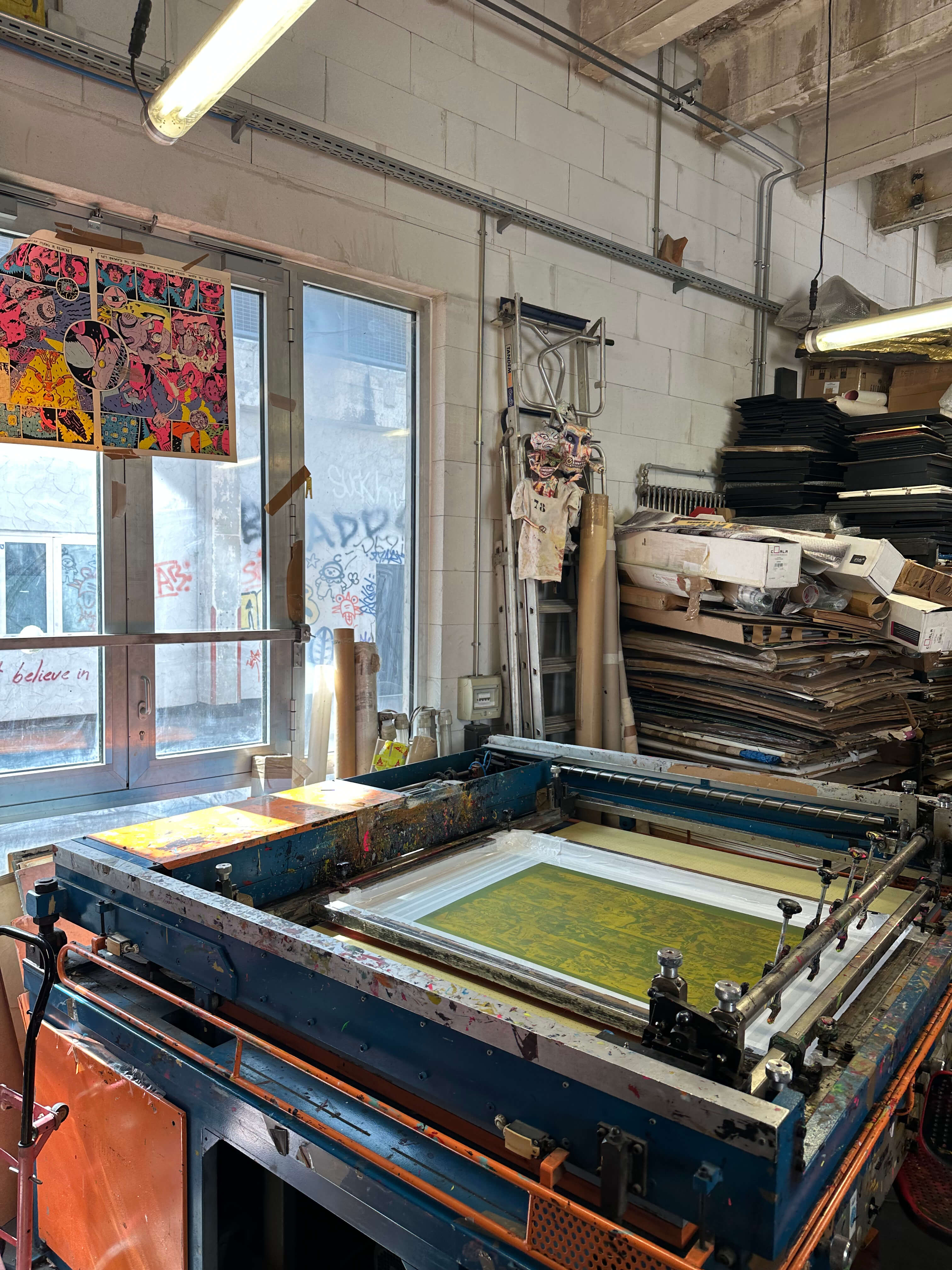
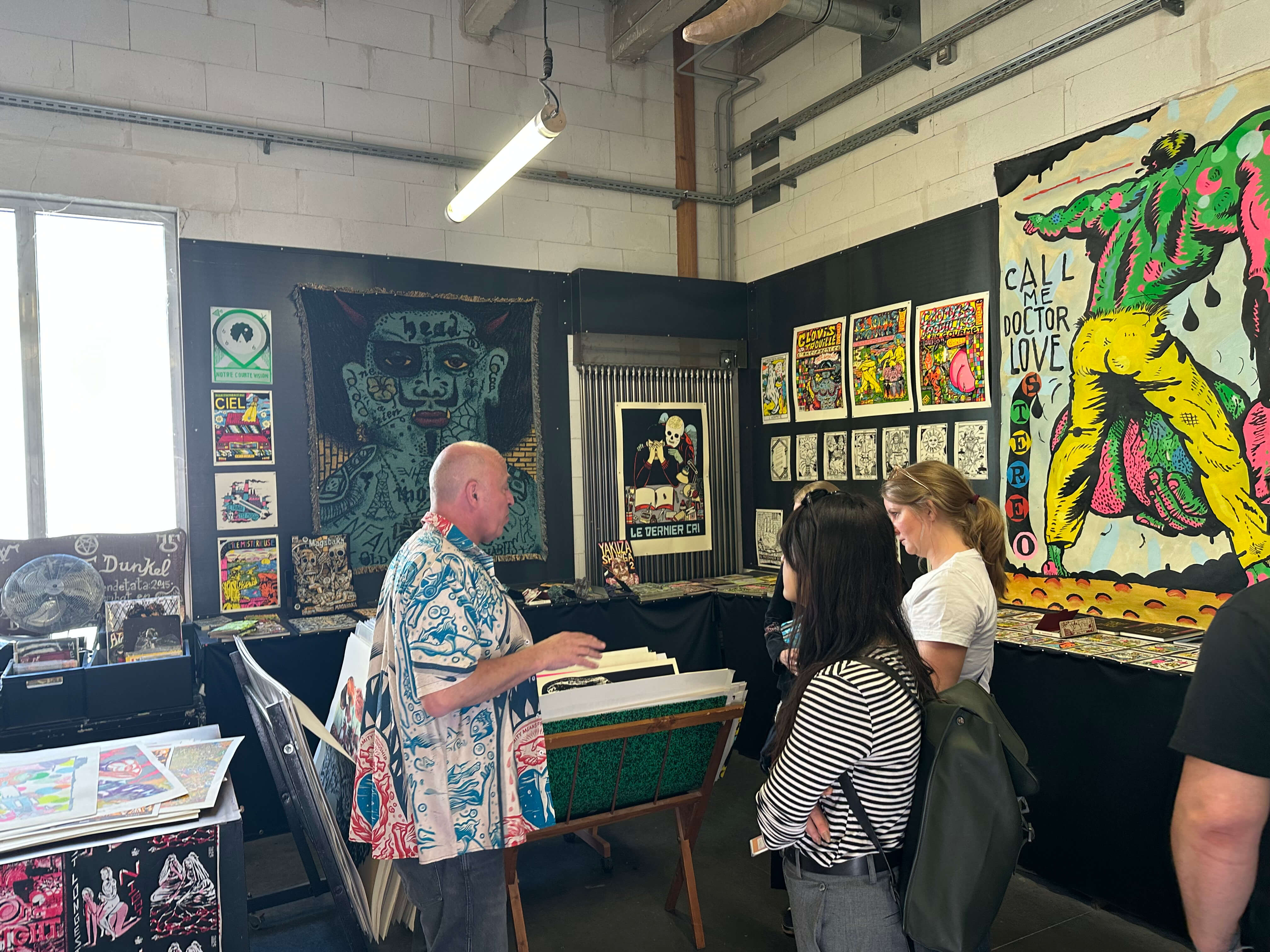
I also visited Le Dernier Cri, an artist-run screenprinting studio at La Friche, where I met the artist, Pakito Bolino, and went through the prints on display. It's always nice to see independent artist publications and the places where they're actually printed. Pakito had come to İzmir a while back through an exchange programme with the Institut Français, and I picked up a publication that included Turkish cover as well.
There was also a significant on-site exhibition, SUSTAIN-ABLE? from the Alter-Places project, in which TEH is one of the partners. Alter-Places is the result of several years of collaboration developed through European and international seminars; brings together five alternative cultural places from Croatia, Sweden, France, Ukraine, and Germany, along with TEH and the DIY Space Project (Canada) as think tanks. I spent time in the exhibition and collected quite a lot of material. It gave me a useful frame, and a good set of concrete examples of what cultural spaces can do.
I took part in many more sessions and conversations than I can fit into this text. What I wanted to share here is a selection of what stayed with me.
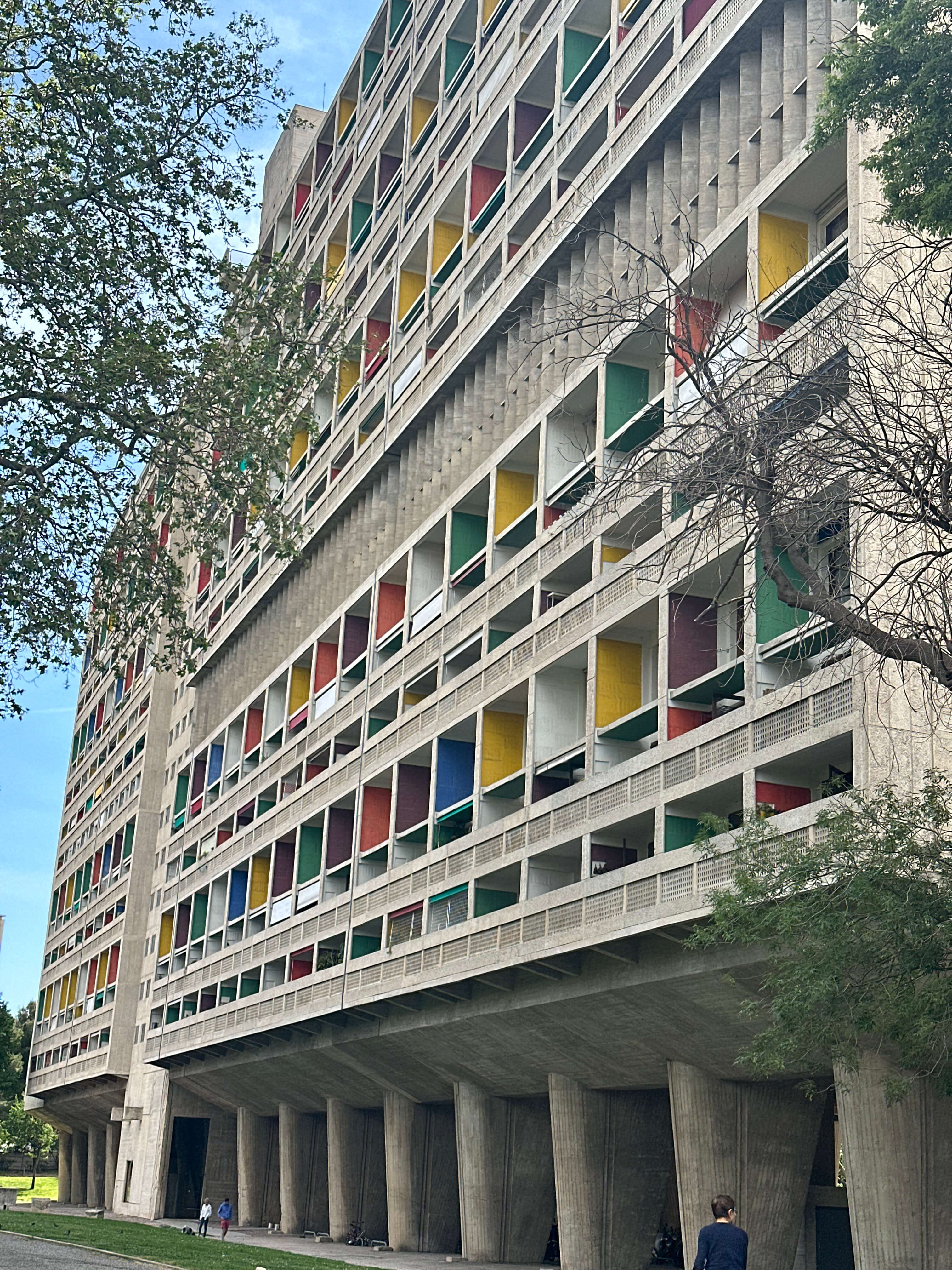
We stayed in Marseille for five days, almost all of them filled with the conference programme. On our last day, thanks to Jori (as she is an architect) we made time to visit Unité d'Habitation, Le Corbusier's iconic modernist housing block, built between 1947 and 1952. It's definitely worth seeing. Marseille is the kind of place worth coming back to, again and again. This was my second time, and definitely not the last.
With our thanks to the VAHA programme for this opportunity.

 Share:
