
Homepage
/ News
/ Learning Through Encounters: Rethinking Cultural Practice Across Institutions and Informal Spaces
Community
Learning & mobility
Learning Through Encounters: Rethinking Cultural Practice Across Institutions and Informal Spaces
Exploring how institutions, informal spaces, and artistic encounters shape contemporary cultural ecosystems
04.06.2026
During my mobility in the Netherlands supported by VAHA, I explored a wide range of cultural institutions, festivals, artist-led initiatives, and hybrid spaces operating at the intersection of art, community, and public engagement. Through exhibitions, performances, conversations, and informal encounters, the trip became an opportunity to reflect on how different cultural ecosystems support collaboration, experimentation, and collective learning while also opening new perspectives for the future development of mezopArt.
The purpose of this mobility was to support my professional development and strengthen mezopArt’s capacity through engagement with cultural institutions and artistic practices in the Netherlands. Rather than approaching this process solely through formal meetings, the mobility unfolded as a series of encounters across institutions, festivals, exhibitions, and hybrid cultural spaces.
One of the key observations throughout this process was how the Dutch cultural ecosystem operates through a combination of institutional structures and flexible, future-oriented support systems that actively invest in innovation, collaboration, and audience engagement.
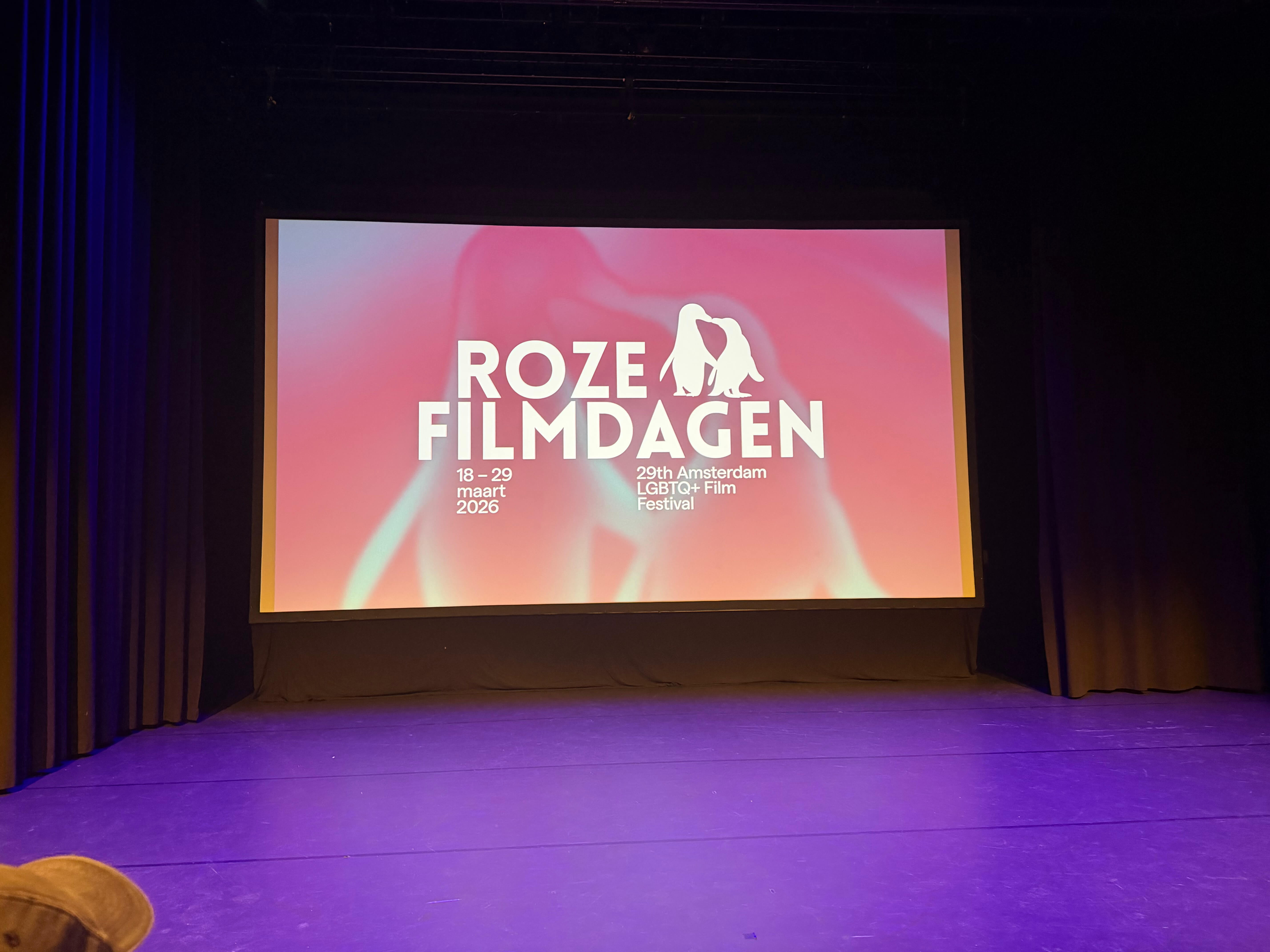
During my stay, I attended several festivals and artistic programmes that provided insight into contemporary cultural production. At Roze Filmdagen, I watched Not Built to Last and had the opportunity to connect with the director and producer, gaining insight into independent film production and circulation within festival networks.
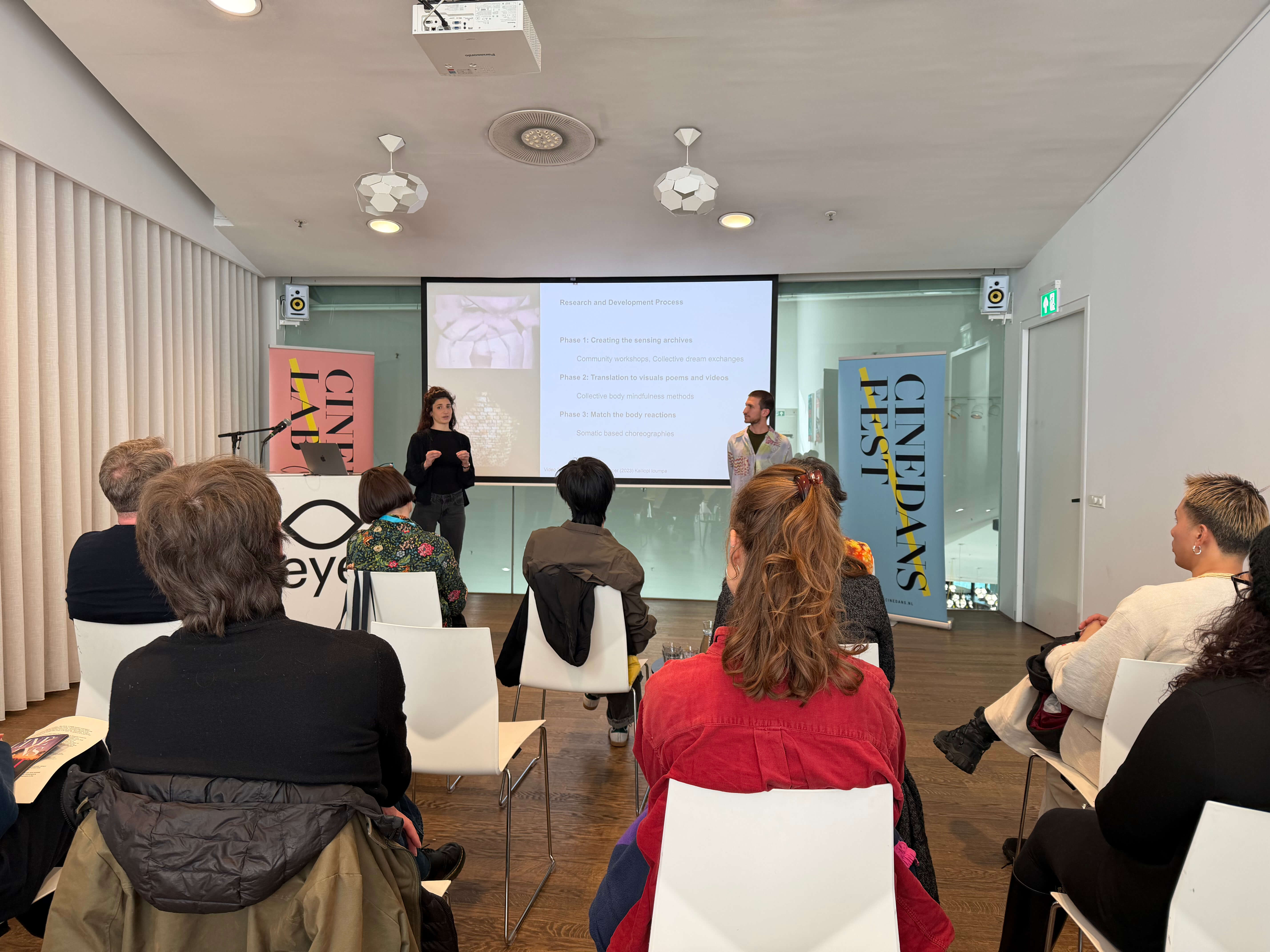
I also attended Cinedans Festival, where I followed CineDans Lab pitch sessions and engaged with jury members about development opportunities for emerging projects. This offered a valuable perspective on how interdisciplinary projects, particularly those between film and performance, are supported through structured pitching and mentorship formats.
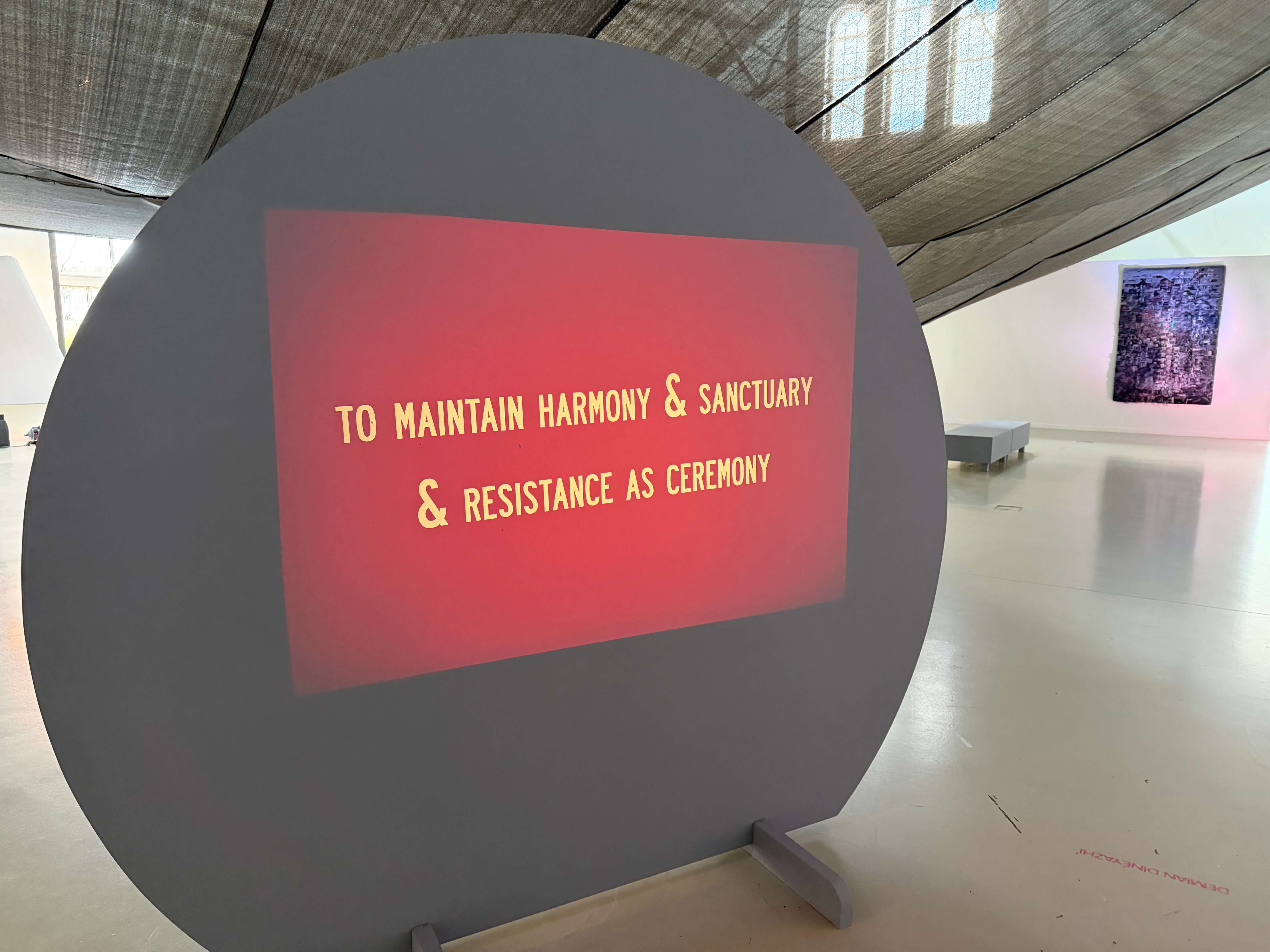
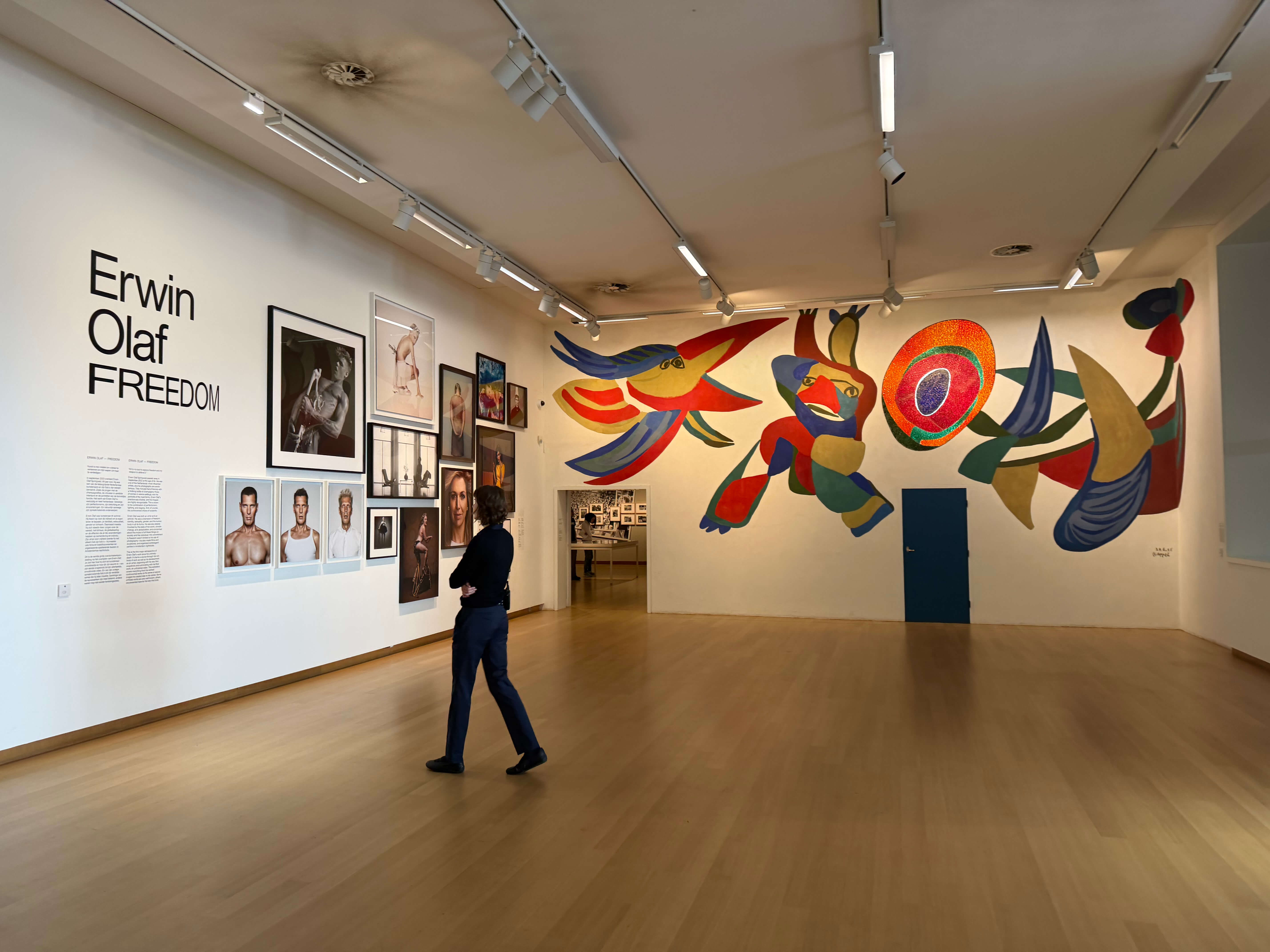
Visits to institutions such as Rijksmuseum, Stedelijk Museum Amsterdam, Eye Filmmuseum, and Huis Marseille Museum for Photography allowed me to reflect on how different scales of institutions construct narratives, mediate knowledge, and position audiences within cultural production. Observing both canonical collections and contemporary exhibitions revealed how institutions balance historical representation with evolving curatorial approaches.
At the same time, engaging with more experimental and hybrid environments such as Mediamatic and NDSM Wharf highlighted alternative models of cultural production. These spaces function less as traditional institutions and more as living ecosystems, where art, ecology, technology, and community intersect in process-oriented ways.
A particularly relevant encounter took place at Framer Framed, where I met with the communications manager to exchange insights about their programme and share my own work through mezopArt. As an organisation focusing on socially engaged art and critical global issues, Framer Framed represents a model where artistic production is closely tied to research, public programming, and discourse, opening up concrete possibilities for future collaboration.
Another important meeting took place at A Lab, a multidisciplinary hub in Amsterdam Noord that functions as a breeding ground for creative professionals, startups, and cultural initiatives, bringing together artists, designers, and entrepreneurs within a shared working environment . Within this context, I met with the founder of Art-up, an organisation that focuses on strengthening the cultural sector through training, advisory programmes, and innovation trajectories. Art-up works closely with cultural institutions, creative entrepreneurs, and public actors to support future-oriented transformation, organisational resilience, and bottom-up innovation in the arts sector .
This encounter was particularly relevant in understanding how the Dutch ecosystem supports not only artistic production but also the structural development of cultural organisations, providing tools, knowledge, and frameworks for long-term sustainability and adaptation.
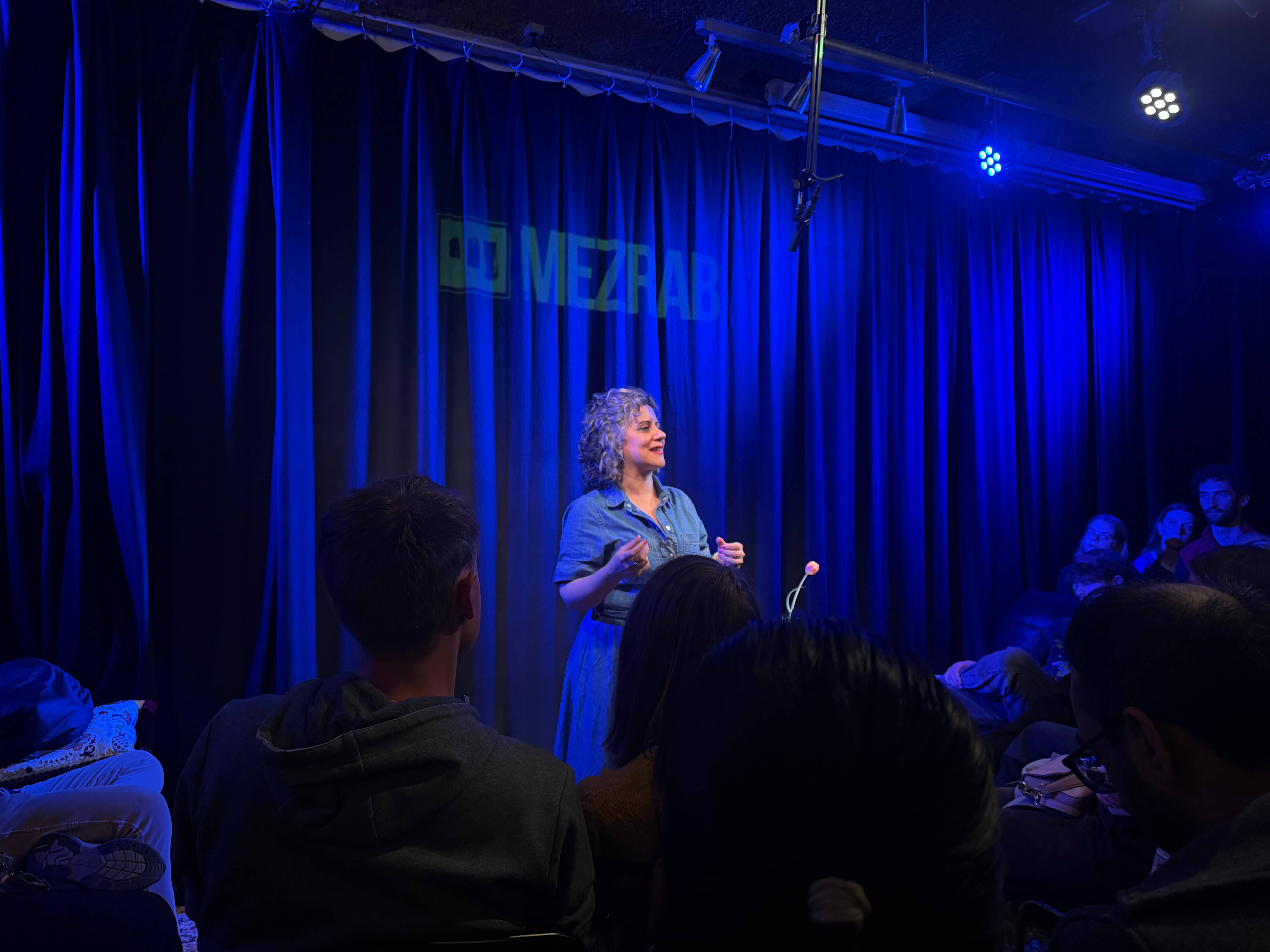
In addition to institutional contexts, informal cultural spaces played an equally important role in this mobility. Attending a storytelling evening at Mezrab offered a strong example of how narrative and performance can create accessible and participatory spaces for community building.
The mobility also included participation in our own project, Stories of Migration, at BAK, basis voor actuele kunst in collaboration with New Women Connectors. This moment allowed me to reflect on how transnational collaborations can be situated within long-term research-based institutions, and how temporary artistic communities can interact with existing infrastructures.
Reflections and Contribution
This mobility revealed that cultural production in the Netherlands operates through a dynamic interplay between institutions, independent initiatives, and support structures that actively invest in experimentation and collaboration.
One of the key insights has been the importance of infrastructure as much as content, not only what is produced, but how it is supported, developed, and sustained. Organisations like Art-up demonstrate how the cultural sector is strengthened through knowledge-sharing, training, and innovation frameworks, while spaces like A Lab and Mediamatic highlight the value of flexible, community-driven environments.
For mezopArt, this experience contributes to:
The encounters throughout this mobility, ranging from institutional visits to informal exchanges, have reinforced the idea that learning in the cultural field often happens through proximity, dialogue, and shared experience rather than solely through formal structures.
Overall, this mobility has functioned as a space of reflection, connection, and strategic thinking, informing how mezopArt can position itself within a broader international context and develop future collaborations grounded in both artistic practice and organisational capacity.
One of the key observations throughout this process was how the Dutch cultural ecosystem operates through a combination of institutional structures and flexible, future-oriented support systems that actively invest in innovation, collaboration, and audience engagement.
During my stay, I attended several festivals and artistic programmes that provided insight into contemporary cultural production. At Roze Filmdagen, I watched Not Built to Last and had the opportunity to connect with the director and producer, gaining insight into independent film production and circulation within festival networks.
I also attended Cinedans Festival, where I followed CineDans Lab pitch sessions and engaged with jury members about development opportunities for emerging projects. This offered a valuable perspective on how interdisciplinary projects, particularly those between film and performance, are supported through structured pitching and mentorship formats.
Visits to institutions such as Rijksmuseum, Stedelijk Museum Amsterdam, Eye Filmmuseum, and Huis Marseille Museum for Photography allowed me to reflect on how different scales of institutions construct narratives, mediate knowledge, and position audiences within cultural production. Observing both canonical collections and contemporary exhibitions revealed how institutions balance historical representation with evolving curatorial approaches.
At the same time, engaging with more experimental and hybrid environments such as Mediamatic and NDSM Wharf highlighted alternative models of cultural production. These spaces function less as traditional institutions and more as living ecosystems, where art, ecology, technology, and community intersect in process-oriented ways.
A particularly relevant encounter took place at Framer Framed, where I met with the communications manager to exchange insights about their programme and share my own work through mezopArt. As an organisation focusing on socially engaged art and critical global issues, Framer Framed represents a model where artistic production is closely tied to research, public programming, and discourse, opening up concrete possibilities for future collaboration.
Another important meeting took place at A Lab, a multidisciplinary hub in Amsterdam Noord that functions as a breeding ground for creative professionals, startups, and cultural initiatives, bringing together artists, designers, and entrepreneurs within a shared working environment . Within this context, I met with the founder of Art-up, an organisation that focuses on strengthening the cultural sector through training, advisory programmes, and innovation trajectories. Art-up works closely with cultural institutions, creative entrepreneurs, and public actors to support future-oriented transformation, organisational resilience, and bottom-up innovation in the arts sector .
This encounter was particularly relevant in understanding how the Dutch ecosystem supports not only artistic production but also the structural development of cultural organisations, providing tools, knowledge, and frameworks for long-term sustainability and adaptation.
In addition to institutional contexts, informal cultural spaces played an equally important role in this mobility. Attending a storytelling evening at Mezrab offered a strong example of how narrative and performance can create accessible and participatory spaces for community building.
The mobility also included participation in our own project, Stories of Migration, at BAK, basis voor actuele kunst in collaboration with New Women Connectors. This moment allowed me to reflect on how transnational collaborations can be situated within long-term research-based institutions, and how temporary artistic communities can interact with existing infrastructures.
Reflections and Contribution
This mobility revealed that cultural production in the Netherlands operates through a dynamic interplay between institutions, independent initiatives, and support structures that actively invest in experimentation and collaboration.
One of the key insights has been the importance of infrastructure as much as content, not only what is produced, but how it is supported, developed, and sustained. Organisations like Art-up demonstrate how the cultural sector is strengthened through knowledge-sharing, training, and innovation frameworks, while spaces like A Lab and Mediamatic highlight the value of flexible, community-driven environments.
For mezopArt, this experience contributes to:
- expanding international networks and potential collaborations,
- understanding how different ecosystems support artistic and organisational development,
- and strengthening our approach to participatory, process-based, and transnational practices.
The encounters throughout this mobility, ranging from institutional visits to informal exchanges, have reinforced the idea that learning in the cultural field often happens through proximity, dialogue, and shared experience rather than solely through formal structures.
Overall, this mobility has functioned as a space of reflection, connection, and strategic thinking, informing how mezopArt can position itself within a broader international context and develop future collaborations grounded in both artistic practice and organisational capacity.