


Community
Learning & mobility
By engaging directly with women-led organizations operating in similar thematic field, the trip opened up a space for a shared narrative of solidarity and thinking together.
In their own words, the team recounts the visit:
Within the framework of the Vaha Learning and Mobility Grant, a three-person team from KASED travelled to Cologne. Initially conceived as an opportunity for introduction and exchange, the visit soon evolved into a process that made visible how similar aspirations—emerging in different contexts—intersect and resonate with one another.
During our time in Cologne, we met with UTAMARA Women's Center and Astare Art Women's Art and Culture Association. These encounters revealed that the need for women to create their own spaces emerges from a shared ground that transcends geography: the need to come together, to articulate, and to exist collectively.
The widespread use of Turkish and Kurdish in everyday life in Cologne initially created a strong sense of familiarity. Yet this proximity did not obscure the layered inequalities produced by the experience of migration; rather, it rendered them more visible and more sharply felt.
The UTAMARA Women’s Center offers a tangible example of how a sustained space of solidarity can be built. Here, solidarity is not confined to the provision of services; it is enacted through practices of spending time together, building relationships, and sharing the rhythms of everyday life. This makes clear that enduring forms of empowerment are only possible through relational and continuous spaces.
Astare Art, by contrast, responds to a similar need through artistic practice. As a space where women’s production becomes visible, it foregrounds art not merely as aesthetic expression, but as a mode of articulation and existence. What emerges here is not representation as such, but the practice of constructing and expanding one’s own narrative.
Although these two structures operate through different means, they converge around a common question:
How do women—particularly within the experience of migration—create spaces of their own, and how can these spaces be sustained?
The encounters in Cologne suggested that this question does not yield a singular answer. Yet they also demonstrated that collective spaces are capable of holding diverse experiences together. While the needs of different generations of women may shift, questions of language, belonging, and visibility continue to form a shared axis.
This mobility experience created a strong point of resonance with the work carried out by KASED. Concepts such as mother-tongue production, women’s solidarity, and the transformative potential of culture and art acquired a sharper and more urgent meaning within the diasporic context. It became evident that these are not merely supportive frameworks, but vital and constitutive ones.
Beyond this, the experience opened up a new direction for KASED. It enabled a more concrete reflection on how locally grounded practices of production and solidarity might be brought into relation with the diaspora. It became clear that culture and art offer a shared ground capable of connecting experiences across geographies, and that this ground can foster both mutual learning and collaborative production.
The conversations held in Cologne pointed not only to an exchange of experiences, but also to a strong willingness to engage in joint production and to develop long-term collaborations. These encounters established a concrete starting point for future partnerships, including shared projects, reciprocal visits, and collective processes of creation.
In this sense, the mobility was more than a visit; it revealed the possibility of a continuum through which women-led structures in different contexts can come into contact, think together, and produce collectively.
Women’s Solidarity and Cultural Production in the Diaspora
Between Familiarity and Distance: Notes from Cologne
29.04.2026
Within the framework of the Vaha Learning and Mobility Grant, KASED’s visit to Cologne offered an opportunity to observe how women’s solidarity and cultural-artistic production are shaped within a diasporic context. These practices, emerging from similar needs across different geographies, revealed a strong foundation for shared learning and long-term collaboration.
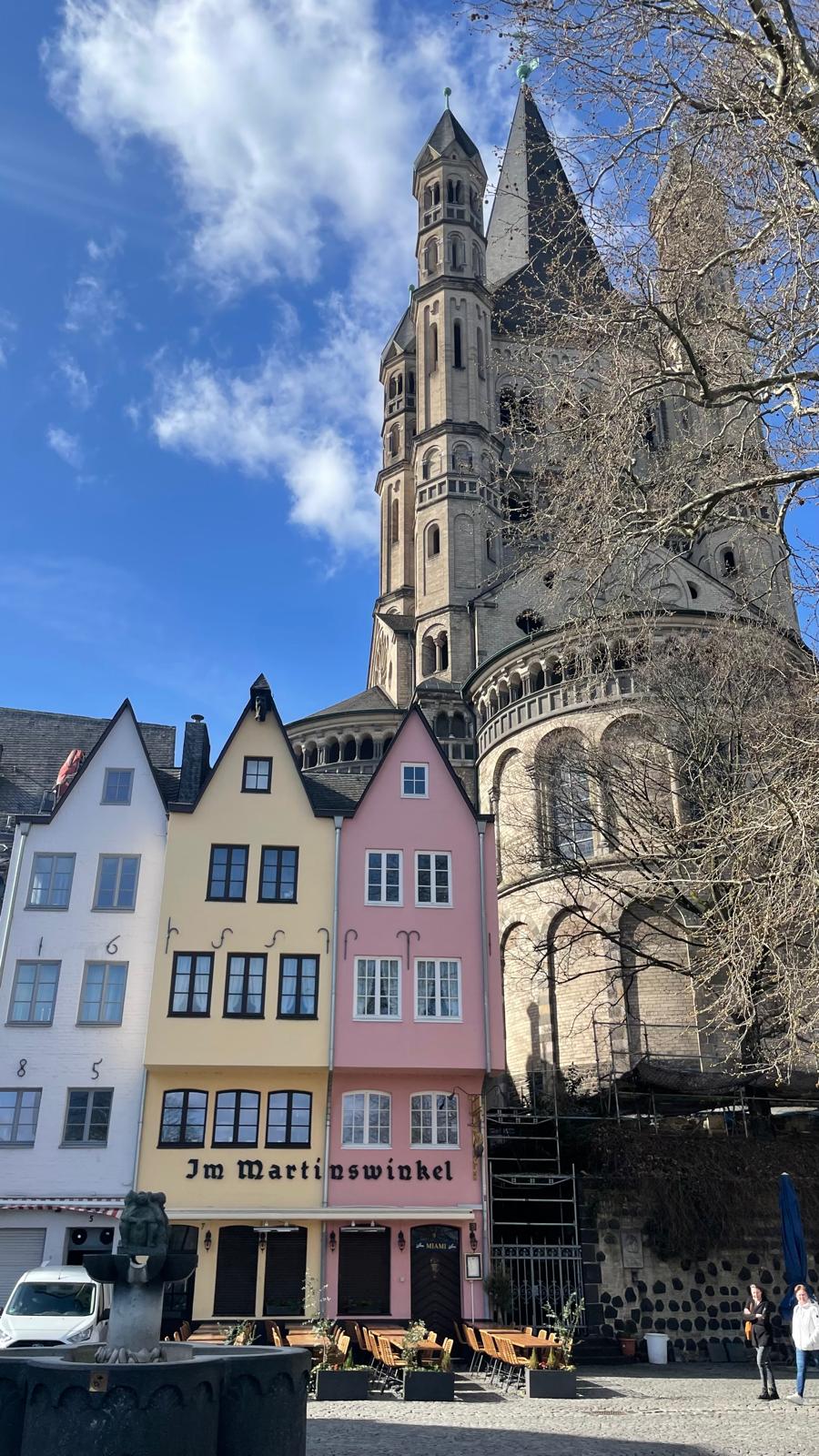
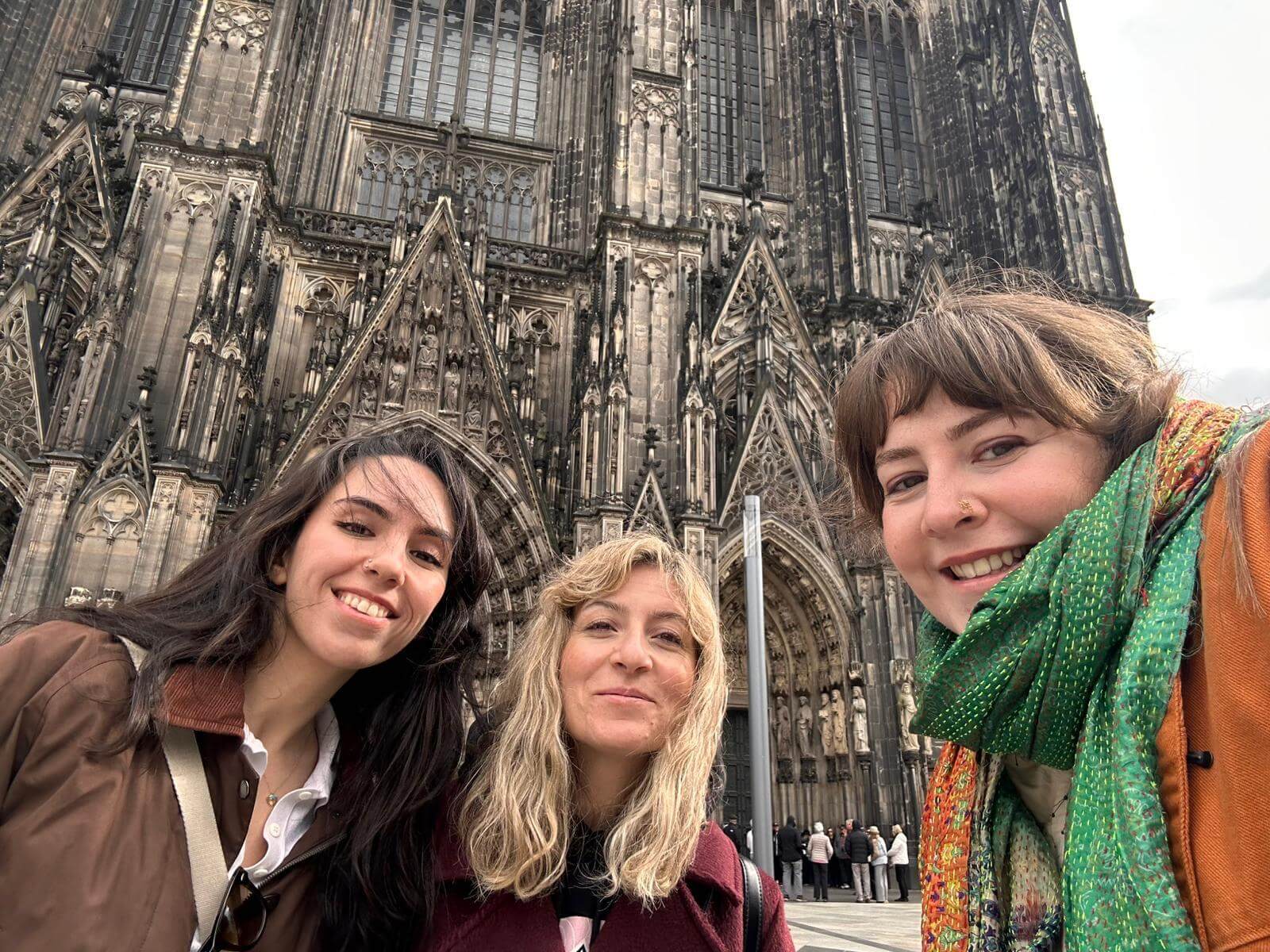
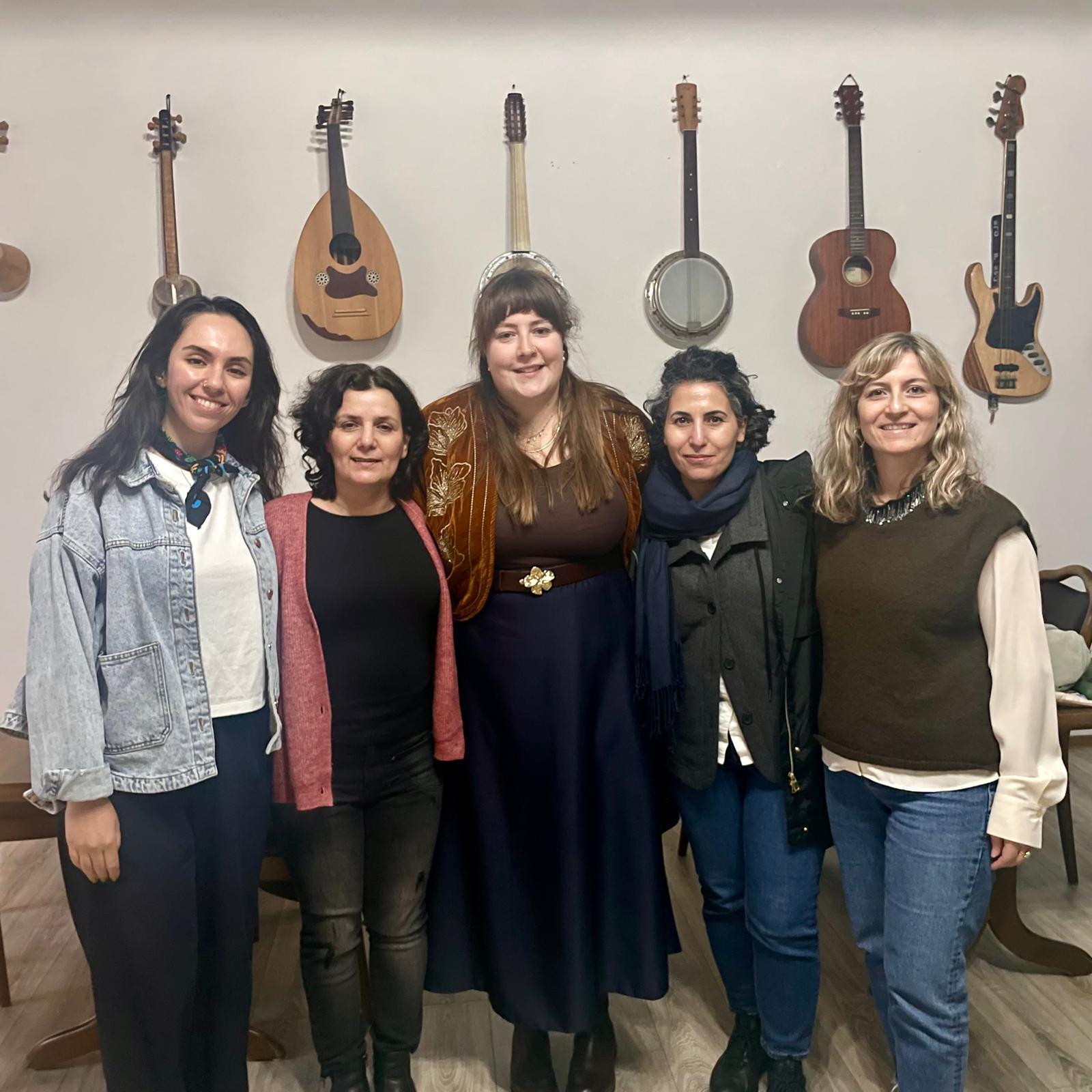
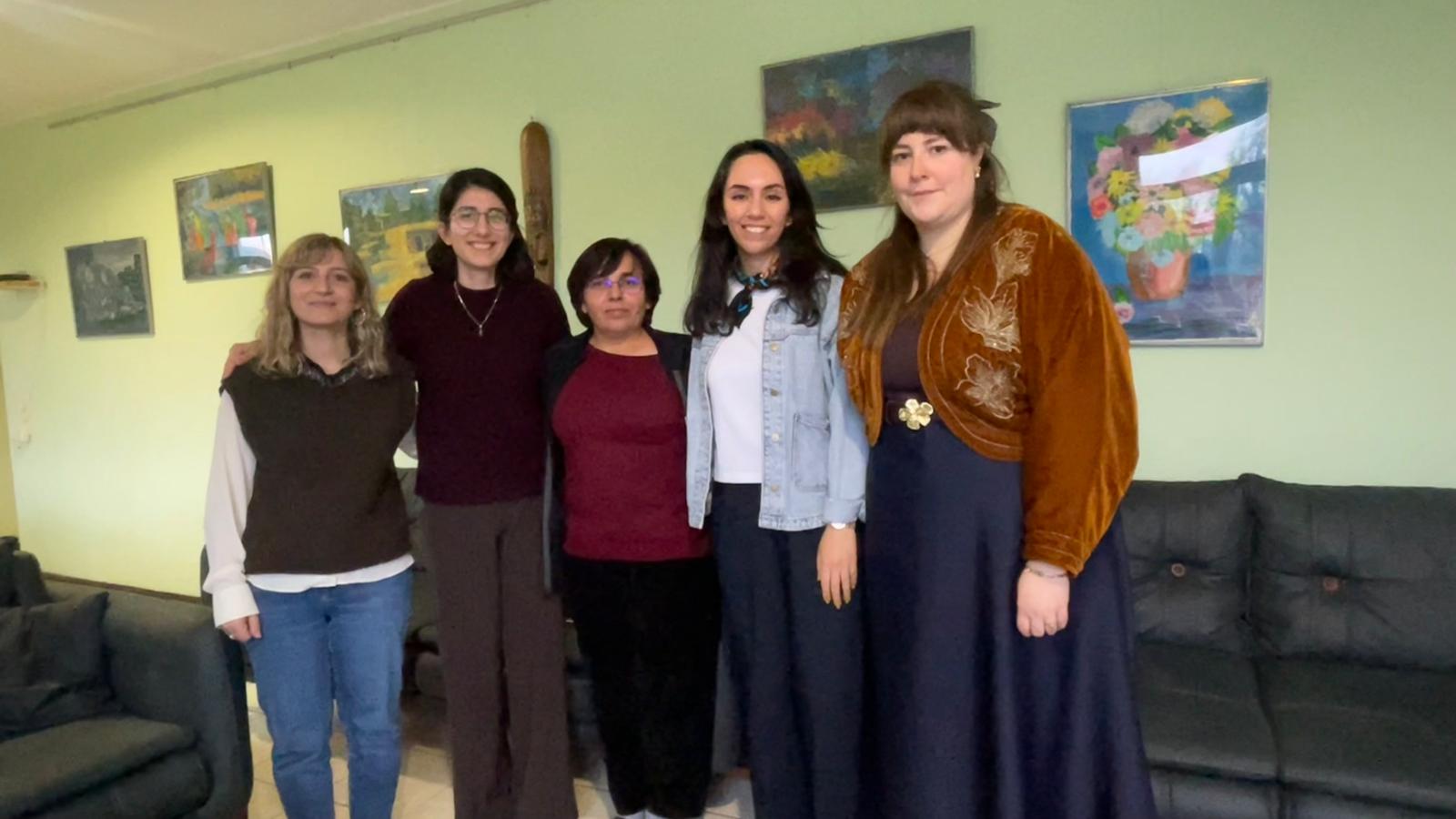
In March 2026, Saliha Ayata, Zeynep Turkut and Piya Coline Özçelik from KASED traveled to Cologne, Germany. By engaging directly with women-led organizations operating in similar thematic field, the trip opened up a space for a shared narrative of solidarity and thinking together.
In their own words, the team recounts the visit:
Within the framework of the Vaha Learning and Mobility Grant, a three-person team from KASED travelled to Cologne. Initially conceived as an opportunity for introduction and exchange, the visit soon evolved into a process that made visible how similar aspirations—emerging in different contexts—intersect and resonate with one another.
During our time in Cologne, we met with UTAMARA Women's Center and Astare Art Women's Art and Culture Association. These encounters revealed that the need for women to create their own spaces emerges from a shared ground that transcends geography: the need to come together, to articulate, and to exist collectively.
The widespread use of Turkish and Kurdish in everyday life in Cologne initially created a strong sense of familiarity. Yet this proximity did not obscure the layered inequalities produced by the experience of migration; rather, it rendered them more visible and more sharply felt.
The UTAMARA Women’s Center offers a tangible example of how a sustained space of solidarity can be built. Here, solidarity is not confined to the provision of services; it is enacted through practices of spending time together, building relationships, and sharing the rhythms of everyday life. This makes clear that enduring forms of empowerment are only possible through relational and continuous spaces.
Astare Art, by contrast, responds to a similar need through artistic practice. As a space where women’s production becomes visible, it foregrounds art not merely as aesthetic expression, but as a mode of articulation and existence. What emerges here is not representation as such, but the practice of constructing and expanding one’s own narrative.
Although these two structures operate through different means, they converge around a common question:
How do women—particularly within the experience of migration—create spaces of their own, and how can these spaces be sustained?
The encounters in Cologne suggested that this question does not yield a singular answer. Yet they also demonstrated that collective spaces are capable of holding diverse experiences together. While the needs of different generations of women may shift, questions of language, belonging, and visibility continue to form a shared axis.
This mobility experience created a strong point of resonance with the work carried out by KASED. Concepts such as mother-tongue production, women’s solidarity, and the transformative potential of culture and art acquired a sharper and more urgent meaning within the diasporic context. It became evident that these are not merely supportive frameworks, but vital and constitutive ones.
Beyond this, the experience opened up a new direction for KASED. It enabled a more concrete reflection on how locally grounded practices of production and solidarity might be brought into relation with the diaspora. It became clear that culture and art offer a shared ground capable of connecting experiences across geographies, and that this ground can foster both mutual learning and collaborative production.
The conversations held in Cologne pointed not only to an exchange of experiences, but also to a strong willingness to engage in joint production and to develop long-term collaborations. These encounters established a concrete starting point for future partnerships, including shared projects, reciprocal visits, and collective processes of creation.
In this sense, the mobility was more than a visit; it revealed the possibility of a continuum through which women-led structures in different contexts can come into contact, think together, and produce collectively.
Share:

 Share:
Share:
