


Community
Learning & mobility
They reflect on the visit in their own words:
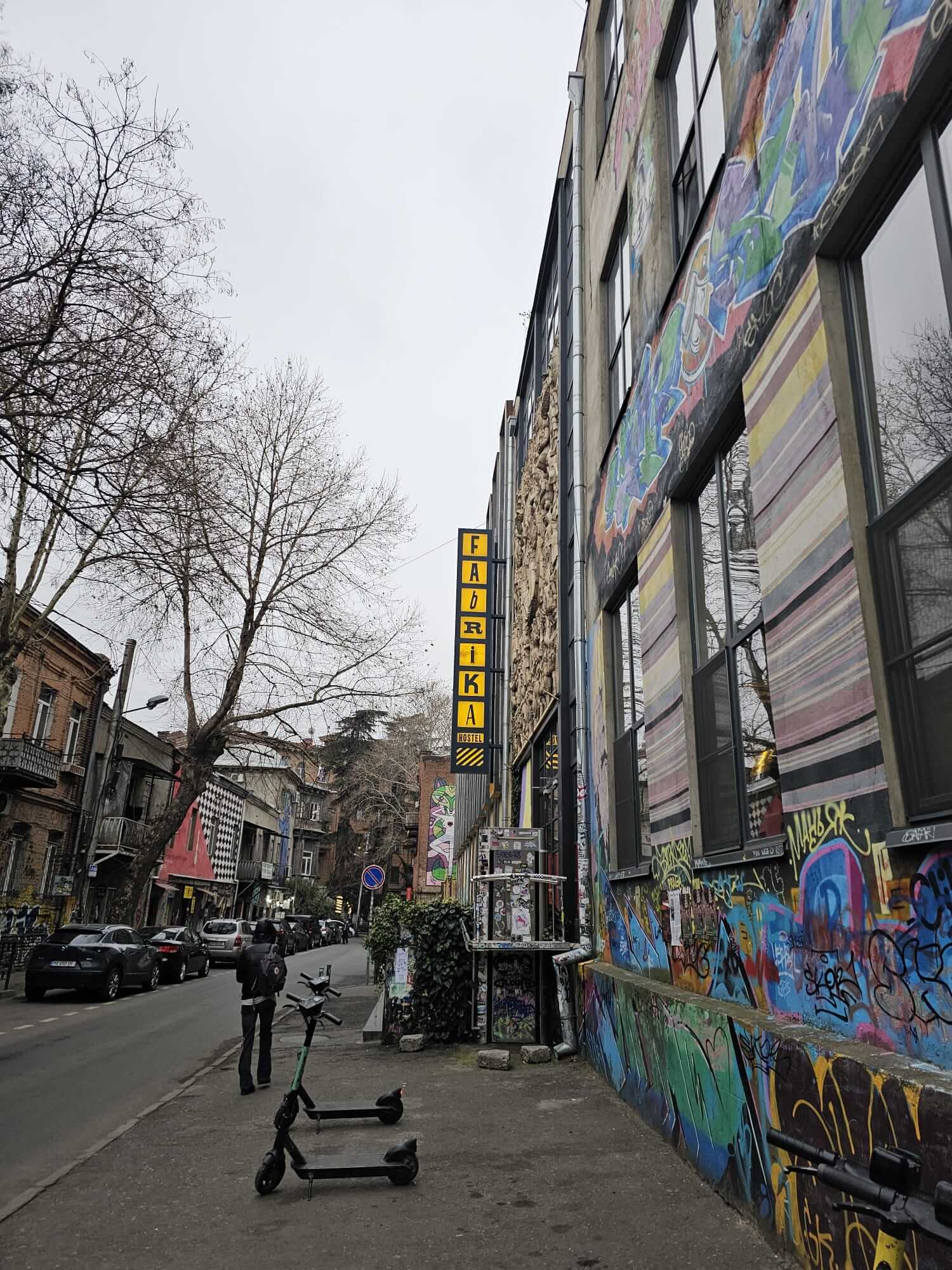
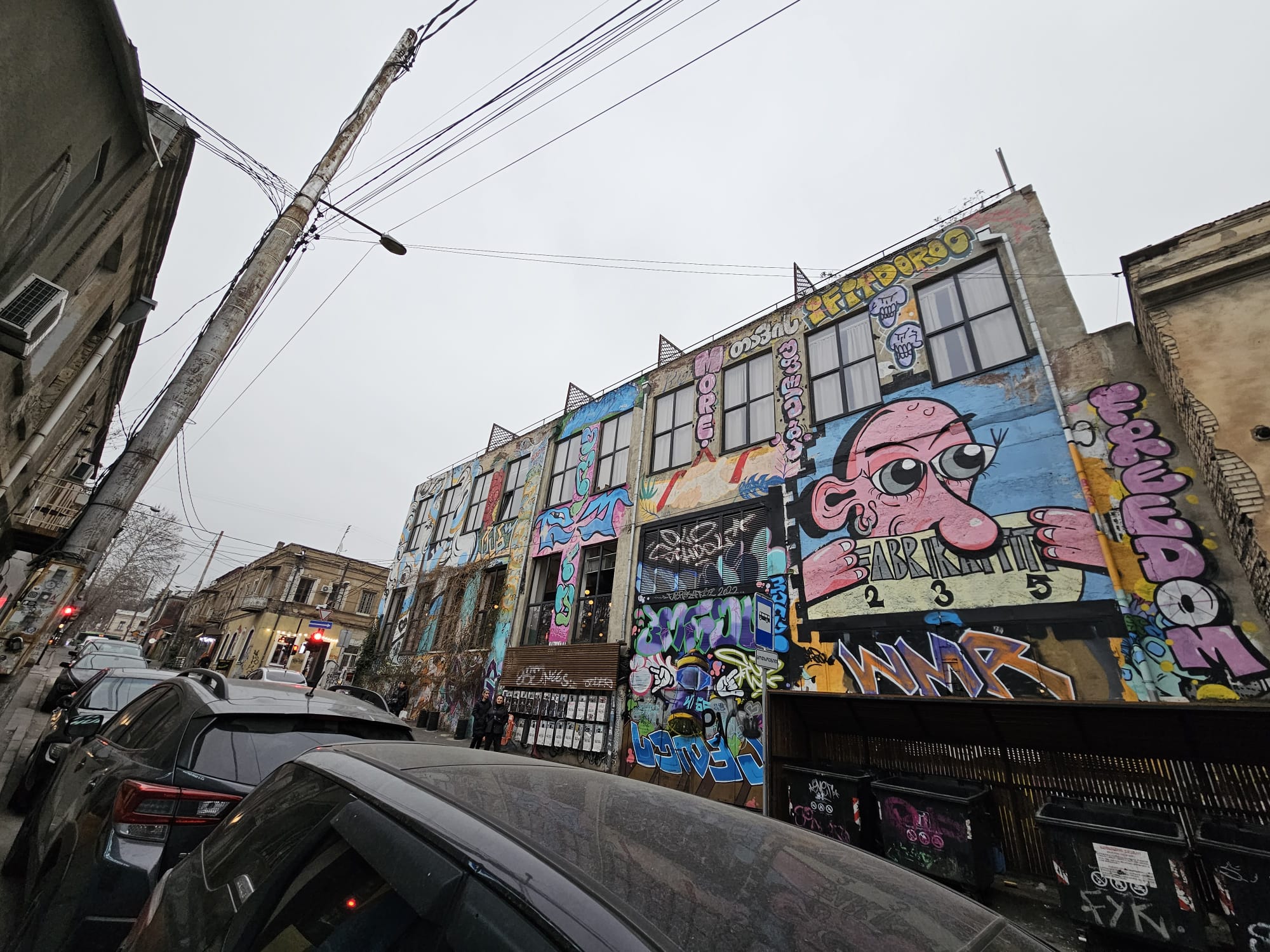
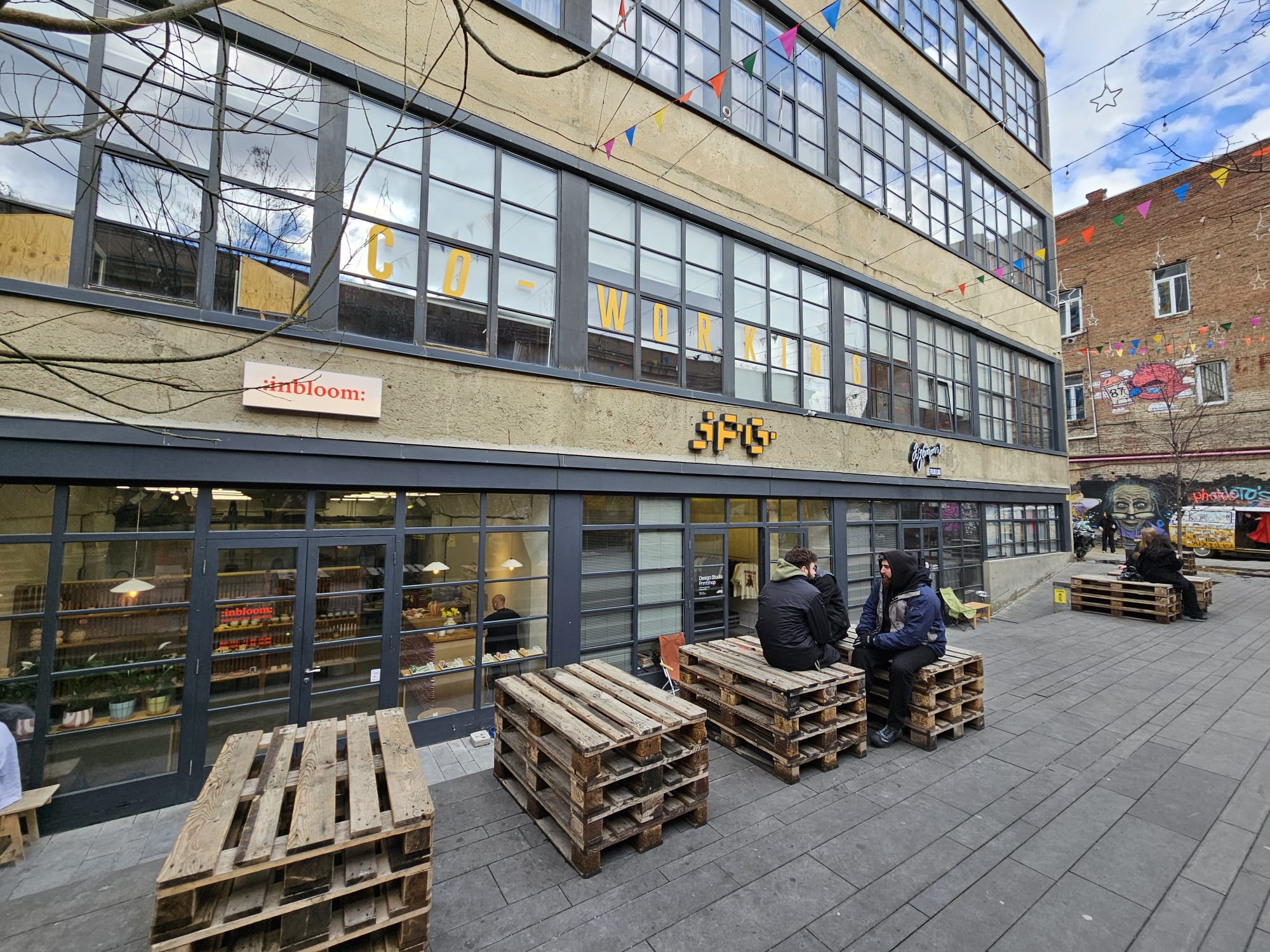
We spent a few days in Tbilisi, and one of the places that shaped our experience the most was Fabrika. It’s not just a place you visit—it’s a place you move through. To get anywhere or even to your room, you pass through restaurants, shared spaces, classrooms, and studios. That circulation creates constant interaction between the visitors as well. You see people working, hanging out, producing, and just being there. It feels alive in a very natural way.
What stayed with us was how different functions coexist without being separated. There isn’t a strict boundary between social space and production space. That made us think a lot about how a cultural venue can operate more like an ecosystem rather than a programmed venue.
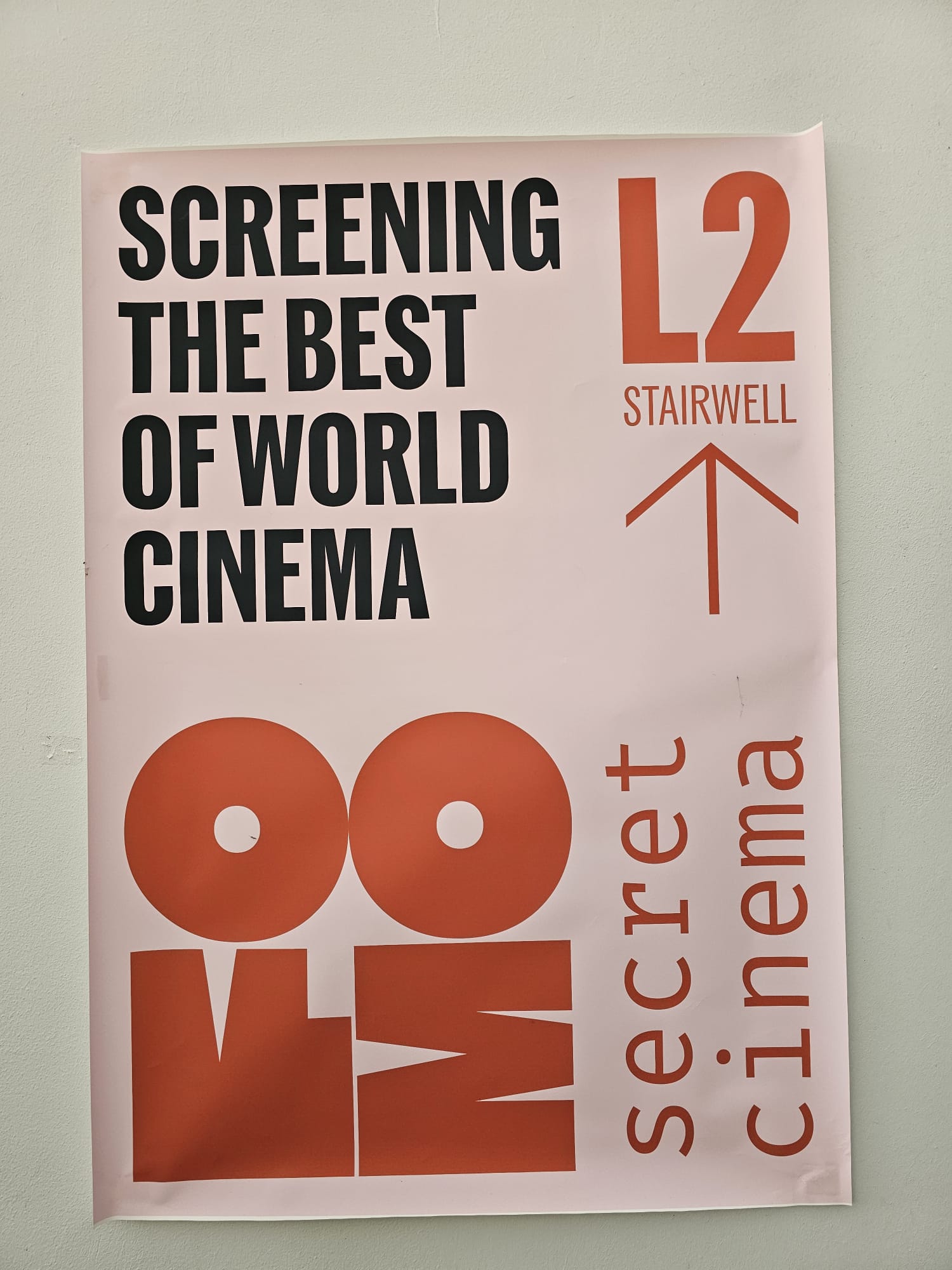
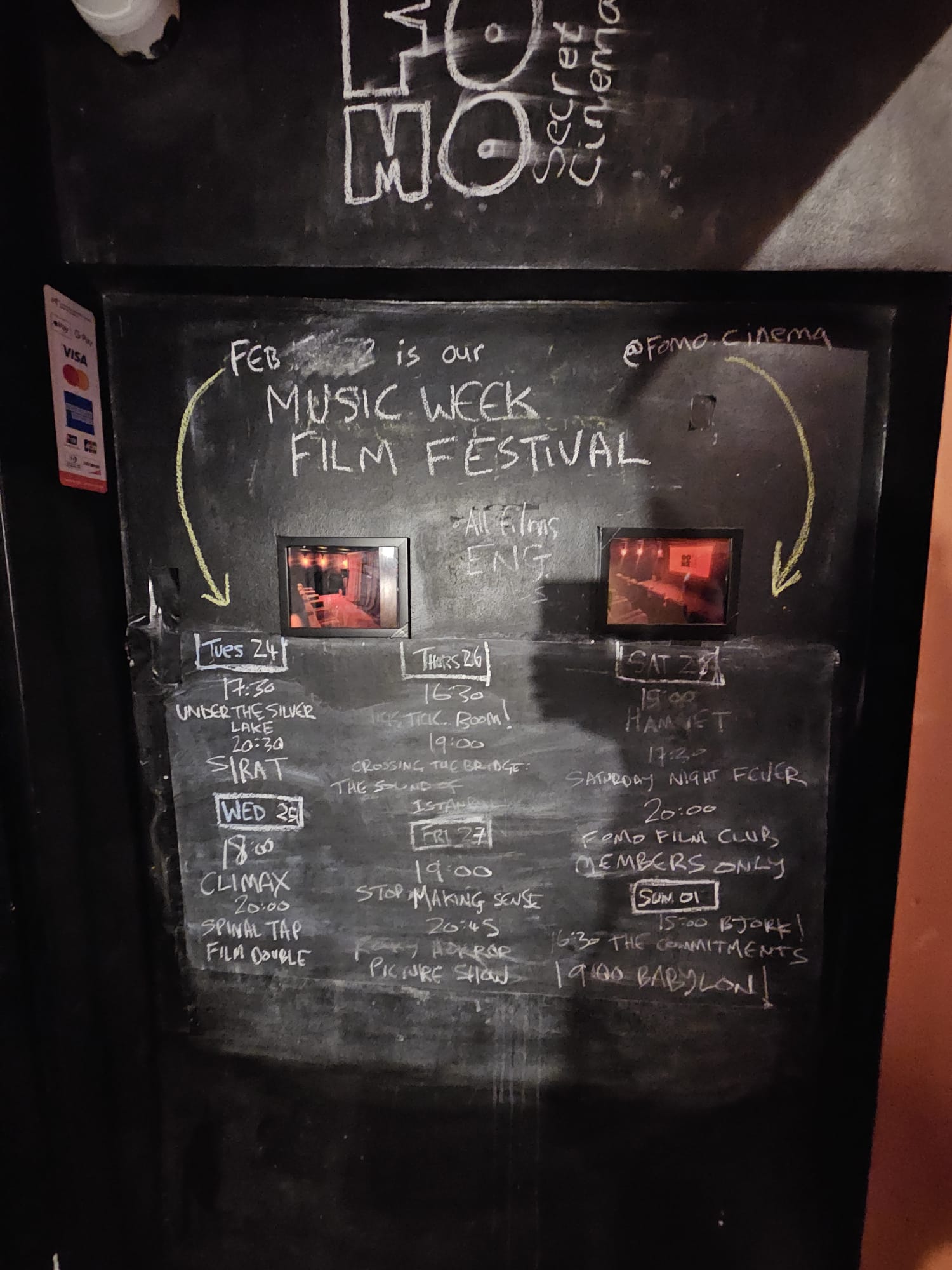
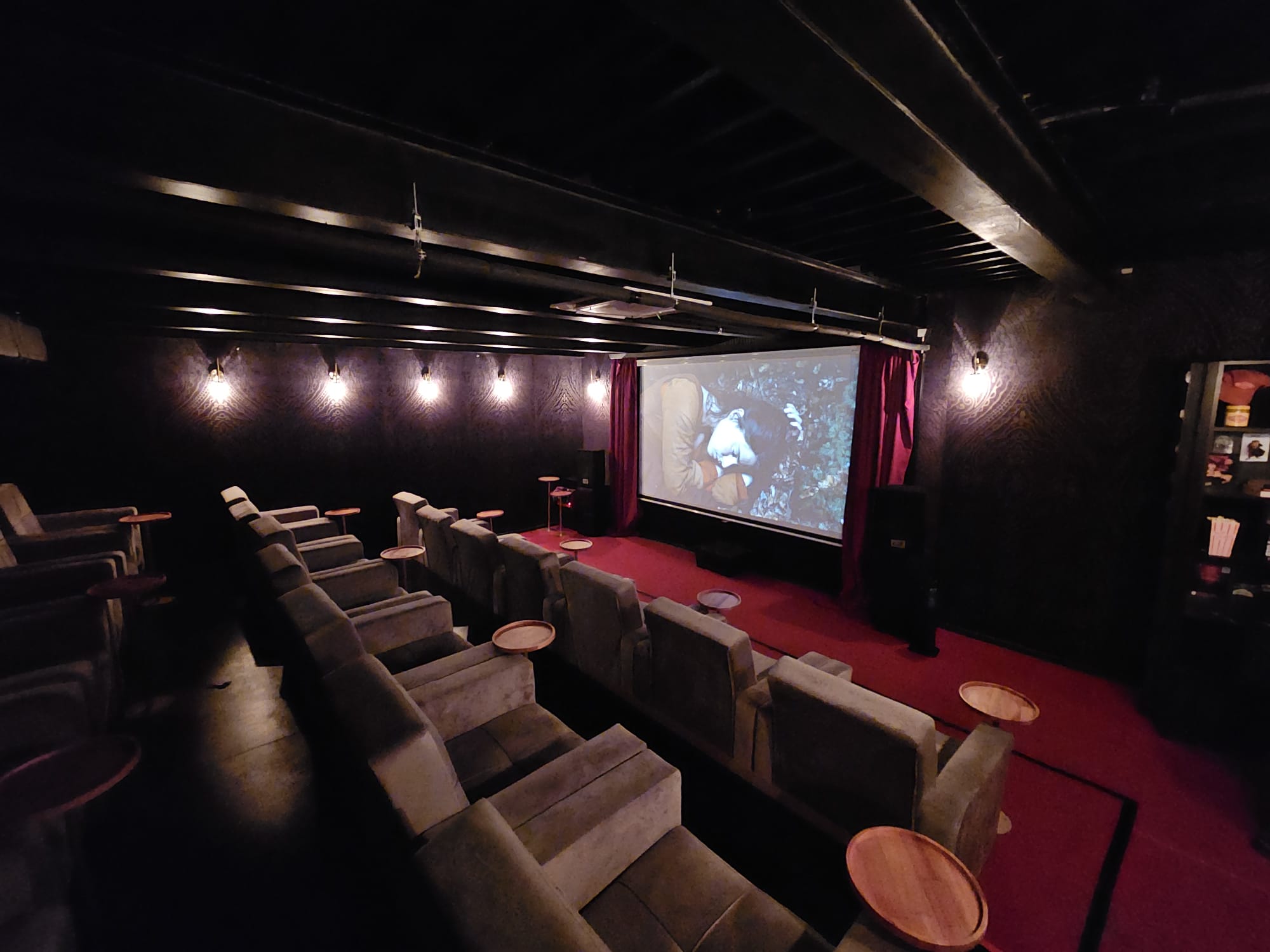
At FOMO Cinema, we had a conversation about how they curate their programme. Instead of a top-down selection, they mostly involve their audience through membership-based screenings and collective film selection processes. They also organise special nights where people come together not just to watch a film, but to be part of a shared experience around it.Their audience, as we observed, consisted mostly of international visitors—people either staying in Tbilisi for a few days or those who had recently moved there for a longer period, often around a year. What they described was less about cinema as content and more about cinema as a tool for building a community. That felt very close to the questions we’ve been asking ourselves.
We also visited a theatre space, and the interior design really stood out to us. It was simple but intentional—everything seemed to serve the relationship between the audience and the performance. It made us reflect on how much spatial decisions affect the way people experience a performance.
There were also places we planned to visit—like Window Project and CCA Tbilisi—but they were closed during our time there. We were still able to see the CCA building from the outside; it looked abandoned, yet at the same time, it carried traces of having been transformed for cultural use.
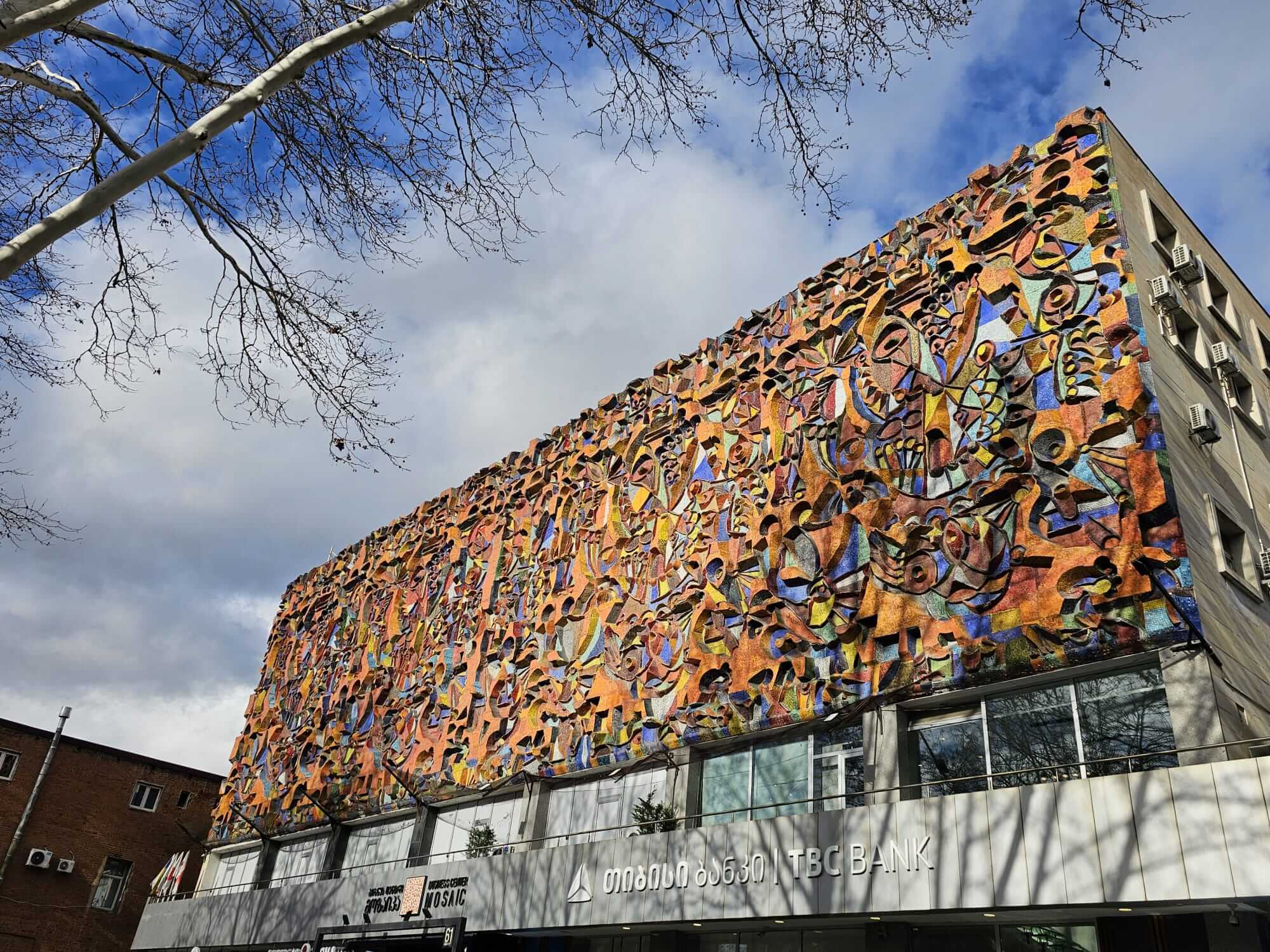
This duality felt characteristic of the city. Similar to the transformation of Fabrika and the many other abandoned or underused buildings we came across, Tbilisi seems to have strong potential for adaptive reuse—where neglected spaces can be reimagined as cultural and social hubs. It felt like a city in transition, where these in-between states open up possibilities for independent cultural production and experimentation.
Overall, what we noticed in Tbilisi is that many of these spaces are not operating as isolated institutions. They function more like social hubs. People don’t just go there for a specific event—they spend time there. That creates continuity, and over time, a sense of belonging.
Kült Kavaklıdere - Tbilisi Reflections
14.04.2026
Our visit to Tbilisi offered us an opportunity to explore how independent cultural spaces operate within a rapidly transforming urban context. Through encounters with venues like Fabrika and FOMO Cinema, we observed how adaptive reuse, community-driven programming, and informal social interaction shape cultural production in the city. This helped us to reflect on the role of space, audience engagement, and collective practices in building living cultural environments.
On February 2026, Okan İlhan and Didem Karagence from Kült Kavaklıdere traveled to Tbilisi, Georgia. Their aim was to interact with independent cultural spaces and contemporary initiatives in Tbilisi that operate through adaptive reuse, interdisciplinary programming, and long-term engagement with urban audiences.They reflect on the visit in their own words:
We spent a few days in Tbilisi, and one of the places that shaped our experience the most was Fabrika. It’s not just a place you visit—it’s a place you move through. To get anywhere or even to your room, you pass through restaurants, shared spaces, classrooms, and studios. That circulation creates constant interaction between the visitors as well. You see people working, hanging out, producing, and just being there. It feels alive in a very natural way.
What stayed with us was how different functions coexist without being separated. There isn’t a strict boundary between social space and production space. That made us think a lot about how a cultural venue can operate more like an ecosystem rather than a programmed venue.
At FOMO Cinema, we had a conversation about how they curate their programme. Instead of a top-down selection, they mostly involve their audience through membership-based screenings and collective film selection processes. They also organise special nights where people come together not just to watch a film, but to be part of a shared experience around it.Their audience, as we observed, consisted mostly of international visitors—people either staying in Tbilisi for a few days or those who had recently moved there for a longer period, often around a year. What they described was less about cinema as content and more about cinema as a tool for building a community. That felt very close to the questions we’ve been asking ourselves.
We also visited a theatre space, and the interior design really stood out to us. It was simple but intentional—everything seemed to serve the relationship between the audience and the performance. It made us reflect on how much spatial decisions affect the way people experience a performance.
There were also places we planned to visit—like Window Project and CCA Tbilisi—but they were closed during our time there. We were still able to see the CCA building from the outside; it looked abandoned, yet at the same time, it carried traces of having been transformed for cultural use.
This duality felt characteristic of the city. Similar to the transformation of Fabrika and the many other abandoned or underused buildings we came across, Tbilisi seems to have strong potential for adaptive reuse—where neglected spaces can be reimagined as cultural and social hubs. It felt like a city in transition, where these in-between states open up possibilities for independent cultural production and experimentation.
Overall, what we noticed in Tbilisi is that many of these spaces are not operating as isolated institutions. They function more like social hubs. People don’t just go there for a specific event—they spend time there. That creates continuity, and over time, a sense of belonging.
Share:

 Share:
Share:
