


Community
Learning & mobility
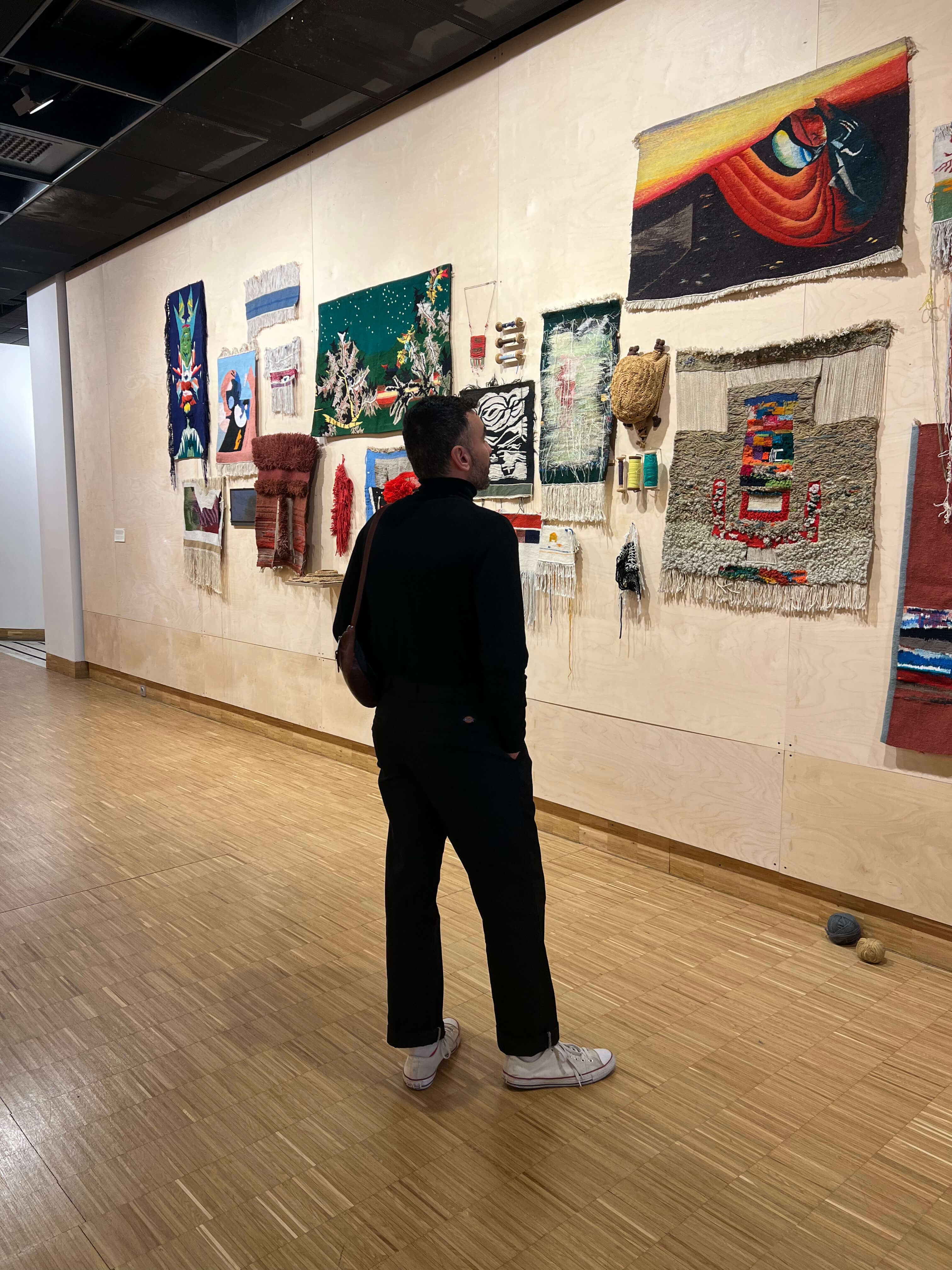
I have been working on Interwoven Narratives Hub and Shifting Shores since May 2025, two VAHA Programme funded projects. As part of the programme, I also had the chance to do a study visit and I chose to visit Istanbul to conduct research on displacement, topography and Tatavla Carnival, also known as Baklahorani. It used to take place annually in Tatavla, now known as Kurtuluş, organised by the local Greek Orthodox community to mark the start of Lent. It was banned in 1943. Historians Hüseyin Irmak and Haris Theodorelis Rigas attempted to revive it in 2010, but it only lasted a few years.
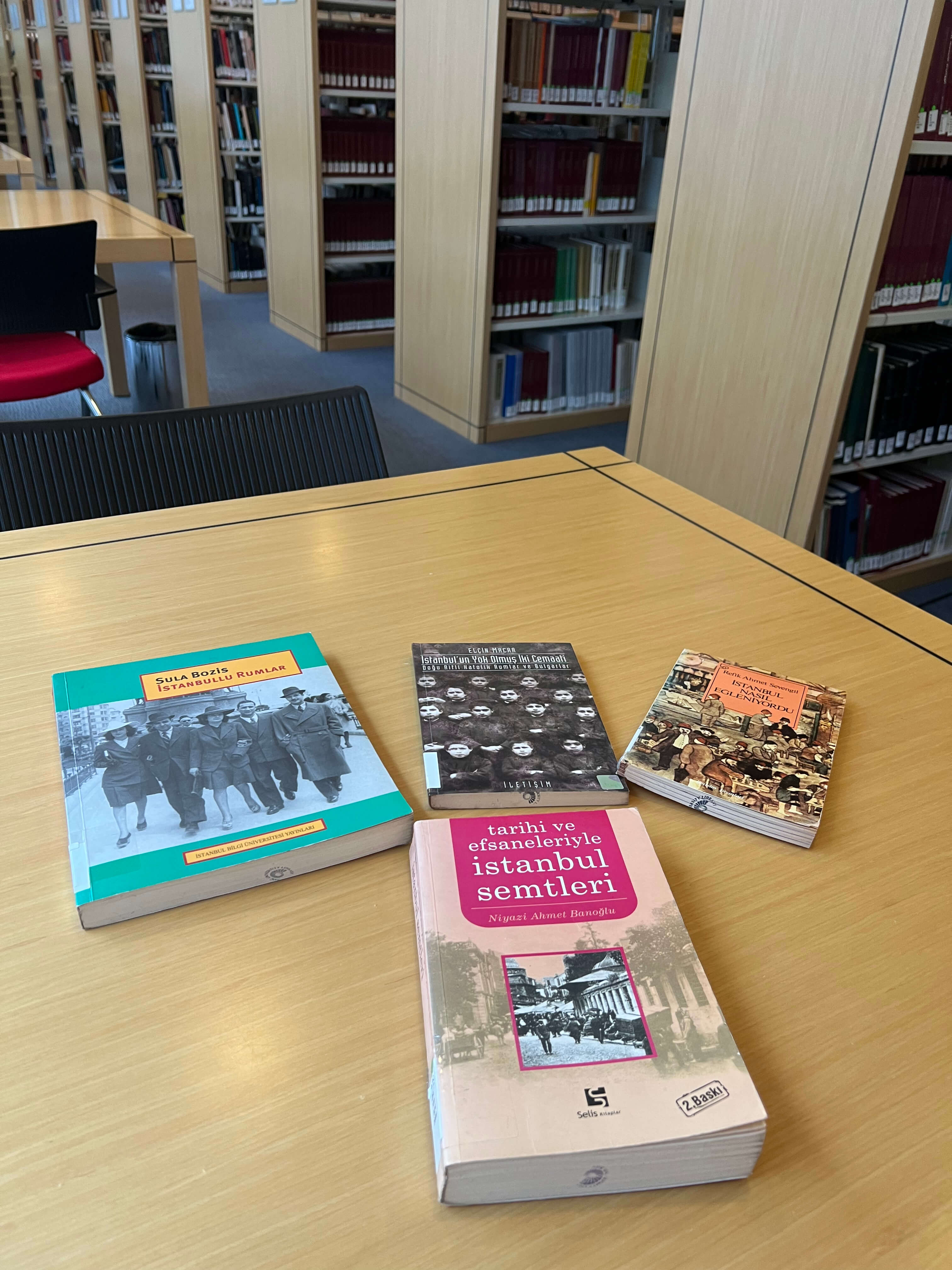
While looking through resources at the Koç University Research Center for Anatolian Civilizations library, I came across many stories that carried striking parallels with Cyprus. They spoke of communities slowly growing apart, minorities being viewed as dangerous, people leaving places they once called home and streets and neighbourhoods being renamed as the city’s façade changed.
I was reminded again how the incidents that took place in Cyprus during the 20th century directly affected communities in Istanbul, often resulting in more displacement. Spending time with these resources opened many reflections and raised many “what if” questions.
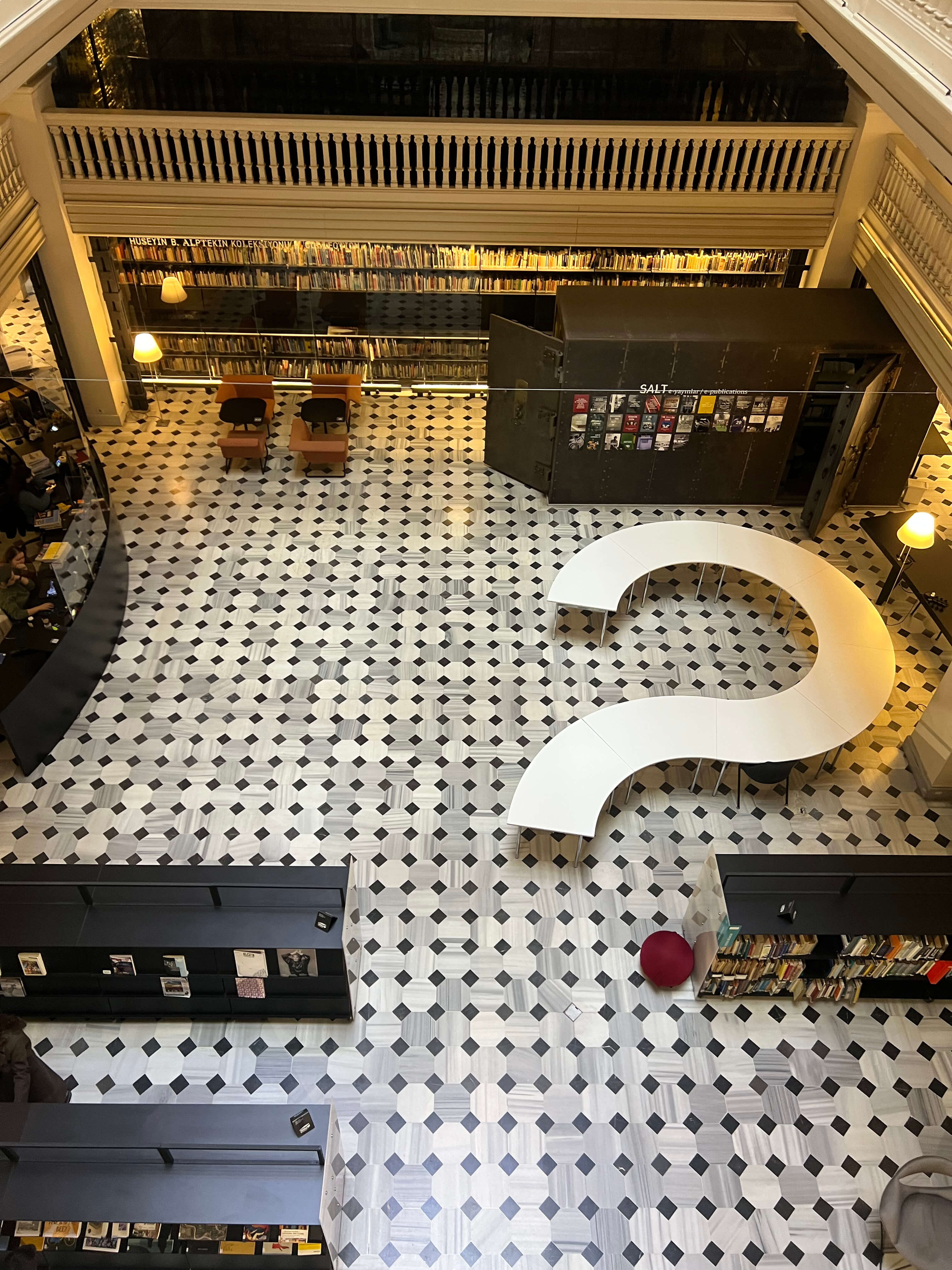
As part of the trip, I also met inspiring people from SALT, the Hrant Dink Foundation and Anadolu Kültür. These meetings were a valuable opportunity to exchange ideas, learn about their work and explore how cultural institutions document and engage with memory, heritage and communities. During our conversations I also presented the work of the Famagusta New Museum and some of the initiatives we are developing. It was particularly interesting to learn more about the mapping practices these organisations use to document histories, cultural spaces and community narratives.
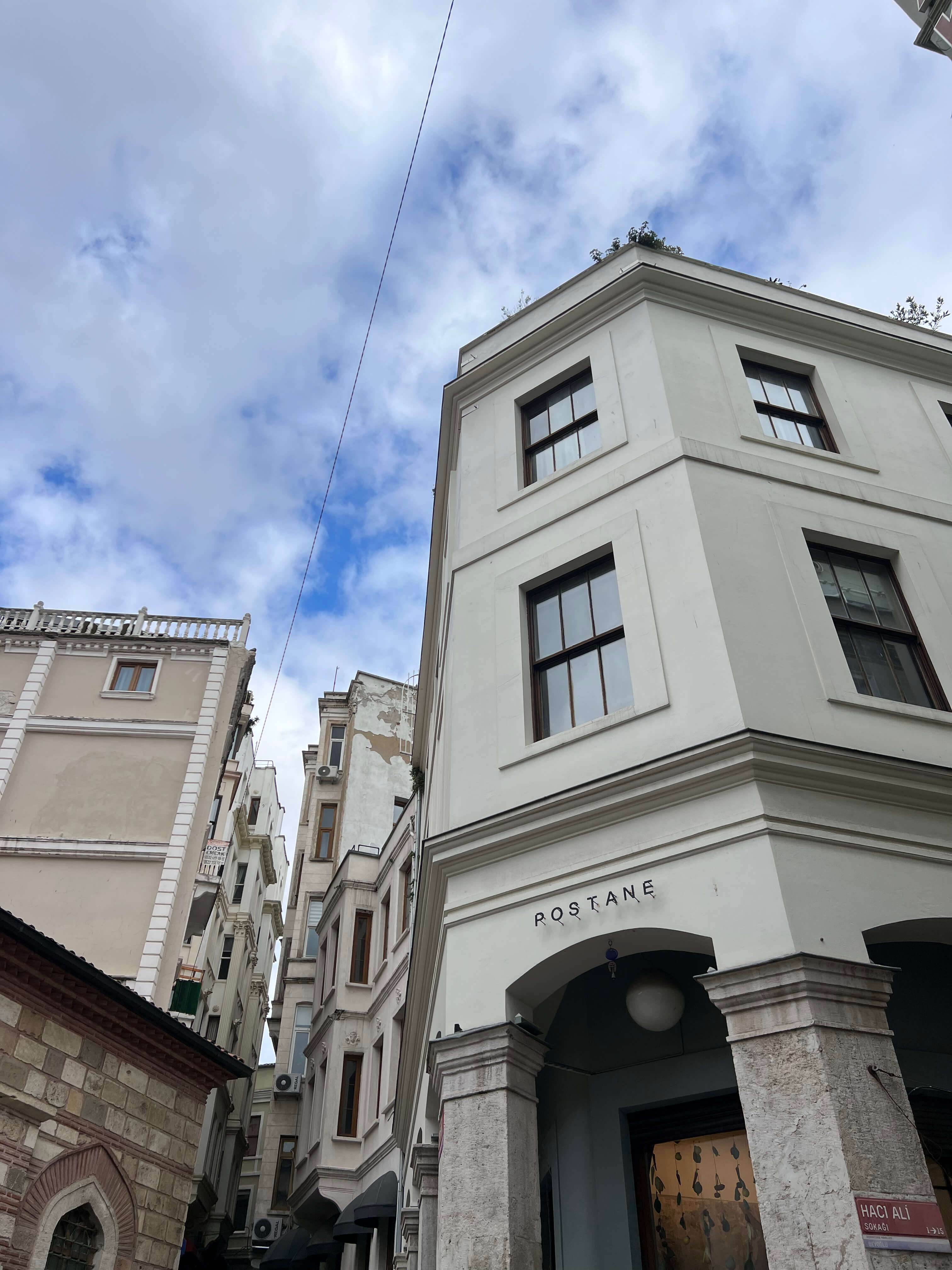
I also met VAHA alumni, which created a meaningful space for reflection and exchange around cultural work and collaboration across the region. In addition, I visited remarkable places carefully renovated and repurposed for public use, such as Postane and Casa Botter. Seeing how historic buildings can become cultural and civic spaces was inspiring and made me wish to see similar practices in Cyprus. Unfortunately, the construction of unnecessary buildings and casinos currently seems to be a greater priority on the island.
I look forward to returning to Istanbul to continue exploring these questions and conversations more deeply. I also hope future visits will open the door to closer collaboration with organisations there and create spaces for exchange and shared work. Just as importantly, I would like to share a different narrative about Cyprus, one that is often less visible beyond the island.
Thank you VAHA Programme for the opportunity.
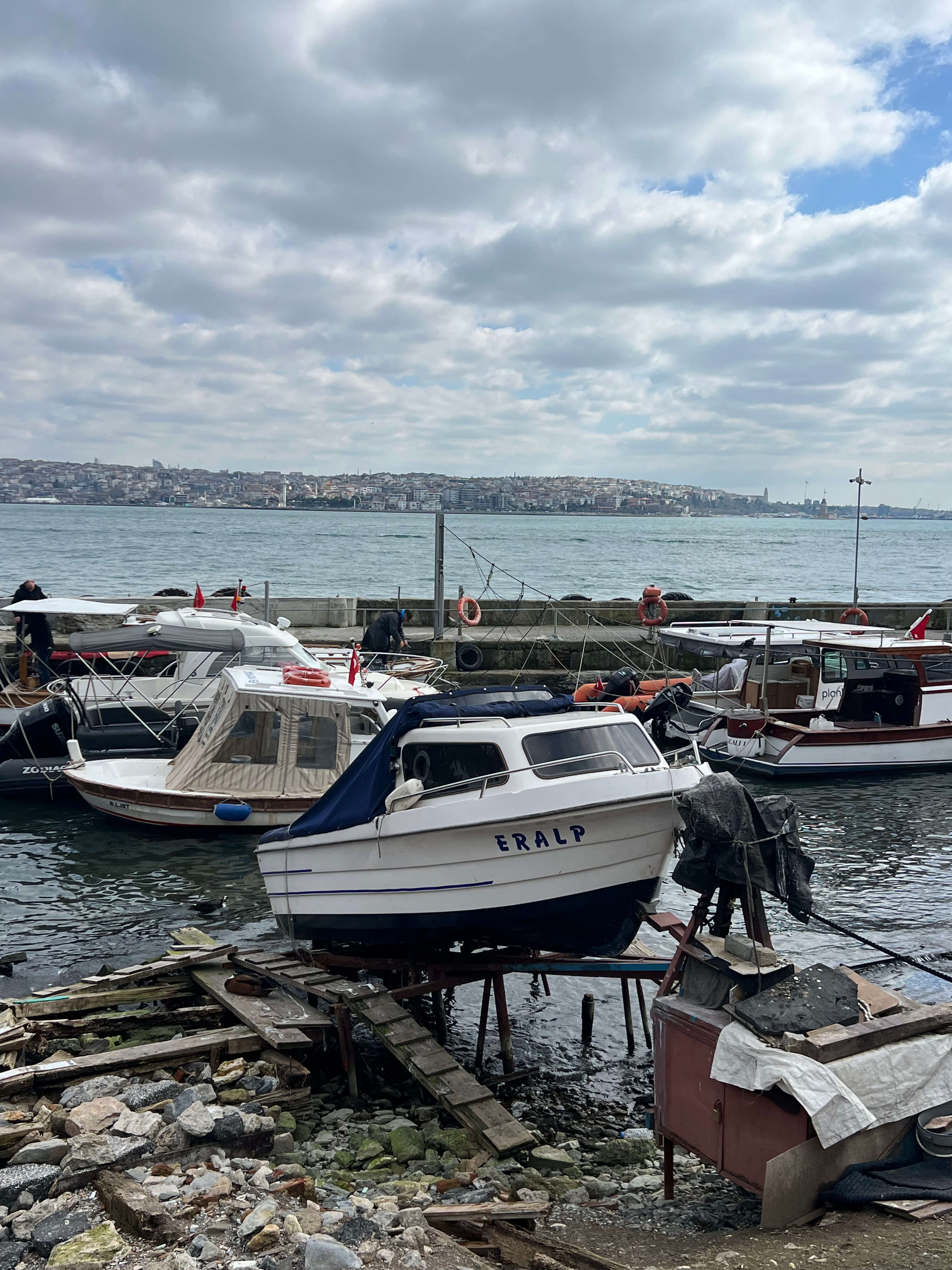
P.S. I miss my seagull visitor who made the glorious view of the Bosphorus even better every day.
Tatavla Carnival Archival Photo: Selahattin Giz
Mapping Absence & Belonging
A study visit exploring displacement, cultural memory and parallel histories in Istanbul and Cyprus through archives and lived narratives.
16.06.2026
The text reflects on a research visit to Istanbul as part of the VAHA Programme, connected to two projects at the time, Interwoven Narratives Hub & Shifting Shore. It focuses on themes of displacement, memory and urban transformation, using the history of the Tatavla (Baklahorani) Carnival as an entry point into broader questions of cultural erasure and community fragmentation.
In February 2026, Eralp Kortach from Famagusta New Museum visited İstanbul/Türkiye. Looking back on the visit, here is what Eralp had to say:
I have been working on Interwoven Narratives Hub and Shifting Shores since May 2025, two VAHA Programme funded projects. As part of the programme, I also had the chance to do a study visit and I chose to visit Istanbul to conduct research on displacement, topography and Tatavla Carnival, also known as Baklahorani. It used to take place annually in Tatavla, now known as Kurtuluş, organised by the local Greek Orthodox community to mark the start of Lent. It was banned in 1943. Historians Hüseyin Irmak and Haris Theodorelis Rigas attempted to revive it in 2010, but it only lasted a few years.
While looking through resources at the Koç University Research Center for Anatolian Civilizations library, I came across many stories that carried striking parallels with Cyprus. They spoke of communities slowly growing apart, minorities being viewed as dangerous, people leaving places they once called home and streets and neighbourhoods being renamed as the city’s façade changed.
I was reminded again how the incidents that took place in Cyprus during the 20th century directly affected communities in Istanbul, often resulting in more displacement. Spending time with these resources opened many reflections and raised many “what if” questions.
As part of the trip, I also met inspiring people from SALT, the Hrant Dink Foundation and Anadolu Kültür. These meetings were a valuable opportunity to exchange ideas, learn about their work and explore how cultural institutions document and engage with memory, heritage and communities. During our conversations I also presented the work of the Famagusta New Museum and some of the initiatives we are developing. It was particularly interesting to learn more about the mapping practices these organisations use to document histories, cultural spaces and community narratives.
I also met VAHA alumni, which created a meaningful space for reflection and exchange around cultural work and collaboration across the region. In addition, I visited remarkable places carefully renovated and repurposed for public use, such as Postane and Casa Botter. Seeing how historic buildings can become cultural and civic spaces was inspiring and made me wish to see similar practices in Cyprus. Unfortunately, the construction of unnecessary buildings and casinos currently seems to be a greater priority on the island.
I look forward to returning to Istanbul to continue exploring these questions and conversations more deeply. I also hope future visits will open the door to closer collaboration with organisations there and create spaces for exchange and shared work. Just as importantly, I would like to share a different narrative about Cyprus, one that is often less visible beyond the island.
Thank you VAHA Programme for the opportunity.
P.S. I miss my seagull visitor who made the glorious view of the Bosphorus even better every day.
Tatavla Carnival Archival Photo: Selahattin Giz
Share:

 Share:
Share:
